 Pin It
 I discovered tornado potatoes at a food festival on a crisp autumn afternoon, watching a vendor spiral potatoes with effortless precision while the aroma of crispy, seasoned goodness wafted through the crowd. Something about the theatrical way they twisted the knife caught my attention, and when I tasted that first golden spiral—the outside shattering between my teeth while the inside stayed tender—I knew I had to master this at home. That first attempt in my kitchen was messier than expected, but the moment my family bit into those crackly spirals, all the potato shavings scattered on my counter suddenly felt worth it. Now they're the snack I make when I want to impress without spending hours in the kitchen, and somehow they always disappear faster than I can plate them.
I made these for a neighborhood potluck one spring, and I remember standing in my kitchen at 11 p.m. the night before, skewers lined up like little wooden swords, wondering if I'd bitten off more than I could chew. But when I pulled them from the oven the next day, golden and fragrant with smoked paprika, something shifted—people came back for thirds, asking if I'd share the secret. The secret, I learned then, is that the extra minutes of prep pay back tenfold in the moment someone's eyes light up when they bite into something that looks elegant but tastes like comfort.
Ingredients
- Russet potatoes: Their starchy texture holds up to spiralizing without crumbling, and they crisp beautifully when roasted. I always pick medium ones so they're easy to skewer and cook evenly.
- Olive oil: This is your vehicle for flavor and the reason these get that golden, crispy exterior. Don't skimp on quality here because it's tasted directly.
- Smoked paprika: This ingredient transforms plain potatoes into something with real personality, adding a warm, almost smoky undertone that makes people ask what spice you used.
- Garlic powder, onion powder, and chili powder: Together they build savory depth without overpowering the potato itself. The chili powder is optional, but I add it when I want a gentle heat that doesn't dominate.
- Salt and black pepper: Freshly ground black pepper makes a real difference—it stays more vibrant than pre-ground, almost peppery rather than dusty.
- Parmesan and parsley: These optional garnishes add final brightness and a little textural contrast, though I skip them sometimes and the potatoes stand perfectly on their own.
Tired of Takeout? 🥡
Get 10 meals you can make faster than delivery arrives. Seriously.
One email. No spam. Unsubscribe anytime.
Instructions
- Get your oven ready and set up:
- Preheat to 400°F and line your baking sheet with parchment paper or foil, which makes cleanup effortless and prevents sticking. Having everything prepped before you start spiralizing saves you from standing there holding a half-spiraled potato, wondering what comes next.
- Prepare your potatoes:
- Wash and scrub them thoroughly under cool running water, really getting into any dirt in the crevices. Leave the skins on—they're where most of the nutrition lives, and they crisp up beautifully, adding texture and visual appeal to every bite.
- Skewer and spiral:
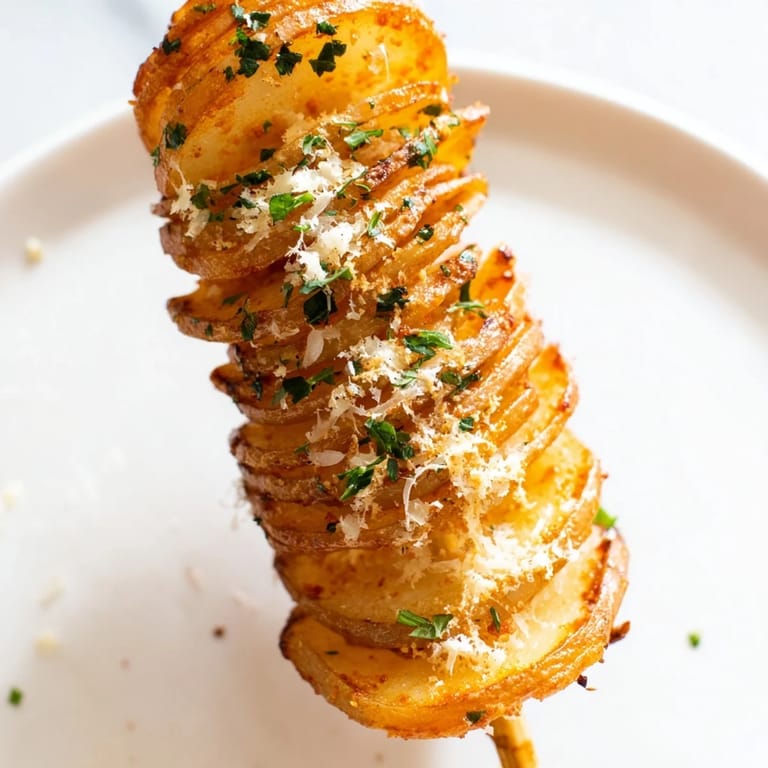
- Insert a wooden skewer lengthwise through the center of each potato, then using a sharp knife, carefully cut in a spiral motion while rotating the potato, creating one continuous spiral from end to end. Take your time here—gentle movements are better than rushing, and once you've cut the spiral, carefully stretch it out along the skewer so it doesn't bunch up.
- Prevent browning (optional but helpful):
- If you want to prep ahead or prevent oxidation, dip the spiralized potatoes in a bowl of cold water mixed with lemon juice for about 5 minutes, then drain and pat completely dry. This step is especially useful if you're making these the night before.
- Make your seasoning oil:
- Combine olive oil with garlic powder, smoked paprika, onion powder, chili powder, salt, and pepper in a small bowl, stirring until the spices are evenly distributed. This mixture is your magic touch—it coats every crevice of the spiral and ensures consistent flavor in every bite.
- Coat the potatoes:
- Using a pastry brush, generously coat all sides of the spiralized potatoes with the seasoning oil, getting between the spiral layers so the flavor reaches all the way through. Don't be stingy—the oil is what creates that golden crust.
- Arrange for even cooking:
- Place the skewered potatoes on your prepared baking sheet, making sure they're elevated and not touching the tray directly if possible—resting the ends of the skewers on the sides of the pan allows hot air to circulate underneath for more even crisping. This elevating trick makes the difference between merely cooked and truly crispy.
- Roast until golden:
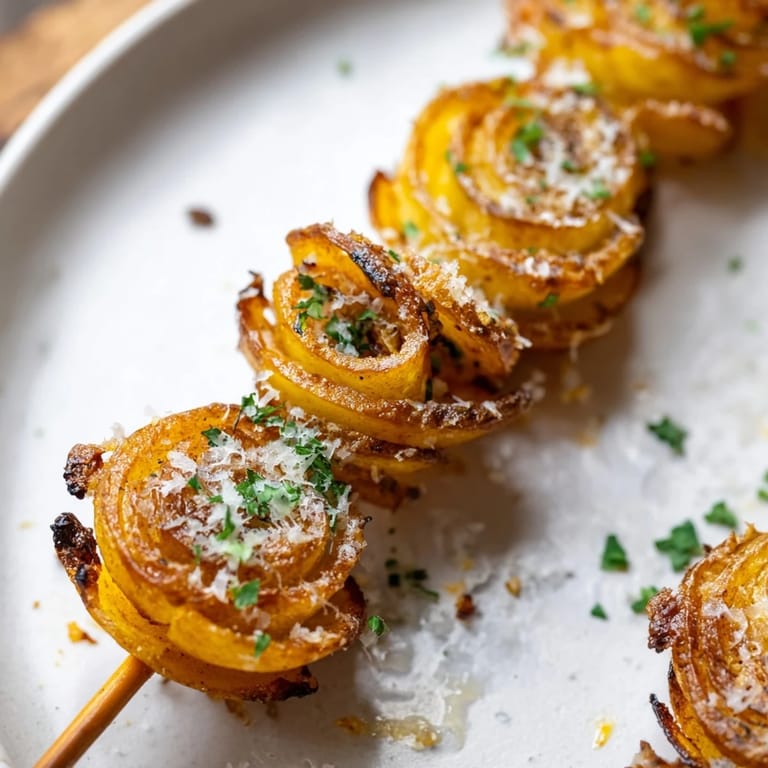
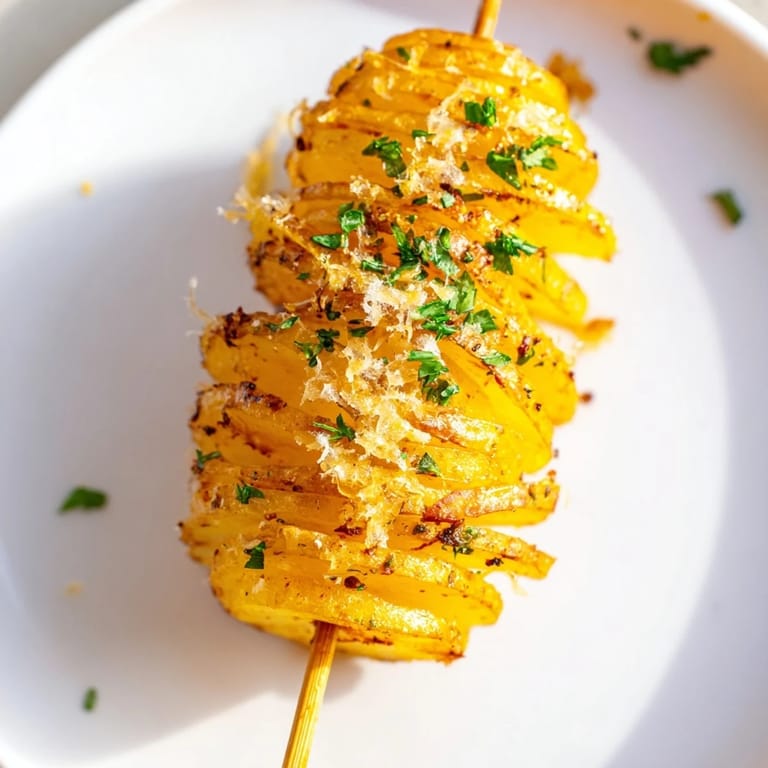
- Bake for 25 to 30 minutes, turning the potatoes halfway through so they brown evenly on all sides. You'll know they're ready when they're deep golden brown and the edges look like they might shatter if you poke them.
- Finish and serve:
- Remove from the oven and let them cool for just a minute so you don't burn your fingers, then sprinkle with Parmesan and fresh parsley if you're using them. Serve while they're still hot and crispy, ideally with a small bowl of sour cream, aioli, or ketchup for dipping.
 Pin It
 I'll never forget the moment my usually picky nephew bit into one of these and actually closed his eyes in appreciation, then wordlessly held out his hand for another. That's when I realized tornado potatoes had become more than just a recipe I could make—they'd become a way I showed people I cared enough to do something a little fiddly, a little playful, a little more special than throwing some fries in the oven.
The Secret to Maximum Crispiness
The difference between crispy and merely cooked tornado potatoes often comes down to one thing: how much surface area you expose to dry heat. When you spiral the potato, you're already doubling the exterior compared to a regular wedge, but the way you arrange them on the pan matters just as much as how you cut them. I learned this the hard way when I packed them too close together on my baking sheet and ended up with some sections that steamed instead of roasted. Now I always make sure there's at least a half-inch of space between potatoes, and if I'm making a double batch, I use two sheets rather than cramming everything onto one. The broiler finish is a game-changer too—a final 2 minutes under high heat in the last minute of cooking creates that shattery, almost candied edge that makes people keep reaching for more.
Seasoning Variations and Flavor Adventures
Once you master the basic technique, the real fun begins because you can transform these potatoes into completely different flavor profiles depending on what you're in the mood for. I've done a Cajun version with paprika, cayenne, and garlic that became my go-to for game day gatherings, and an Italian herb blend with dried oregano, basil, and a little garlic that felt lighter and brighter. One winter I mixed together curry powder, turmeric, and a touch of ginger, and my partner said it reminded him of a street food vendor in Delhi—which meant I'd clearly stumbled onto something special. The beauty of this recipe is that the spiral technique is just the vessel, so once you understand the basics, you're really just playing with seasonings and discovering what speaks to you.
Dips, Pairings, and Getting Creative
Tornado potatoes shine as a standalone snack, but they're also endlessly flexible depending on what you're serving them with or alongside. I've paired them with everything from simple sour cream to fancy aioli made with roasted garlic, and honestly, the best pairing is whatever you have on hand and actually want to eat. They work beautifully as a side dish at casual dinners, held their own at potlucks where fancier dishes were competing for attention, and even showed up at a game night as the unexpected star of the snack table.
- Sour cream mixed with fresh dill and a squeeze of lemon is my default because it's bright and cooling against the savory potatoes.
- For something fancier, make an aioli by whisking together mayo, minced garlic, lemon juice, and a tiny pinch of salt.
- If you're in a hurry, ketchup or hot sauce work just fine—simplicity has its own charm when the potatoes are this good.
 Pin It
 These potatoes remind me that sometimes the most memorable meals come from doing something unexpected with an ingredient everyone already loves. There's something deeply satisfying about transforming a humble russet potato into something that looks complicated but tastes like home.
Recipe FAQs
- → How do I ensure potatoes stay crispy after roasting?
Keeping skins on and spacing the skewers so potatoes don’t touch helps maintain crispness. Finishing under the broiler briefly can also add extra crunch.
- → Can I substitute russet potatoes with other varieties?
Russet potatoes are best for their starchy texture and crispiness, but Yukon Golds can work, offering a slightly creamier finish.
- → What seasoning options work well on spiralized potatoes?
Besides the classic garlic and smoked paprika blend, try Cajun, Italian herbs, or curry powder for varied flavor profiles.
- → Is it necessary to soak potatoes in lemon juice?
Soaking in lemon juice and water prevents browning and enhances appearance, but it’s optional if you bake soon after spiralizing.
- → Can these potatoes be cooked using an air fryer?
Yes, air frying at 375°F (190°C) for 18–20 minutes provides a crisp texture similar to oven roasting.