 Pin It
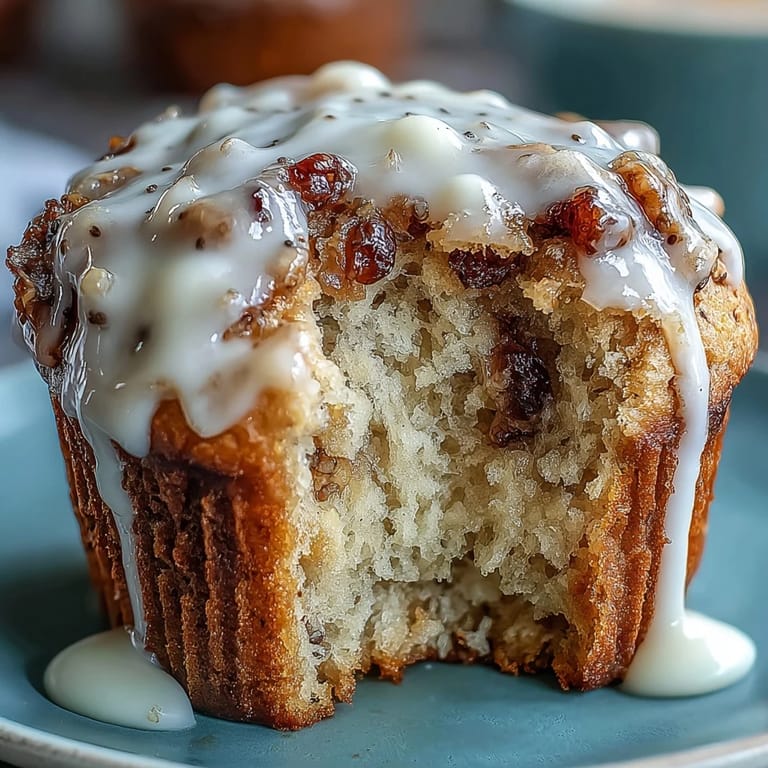
 Last spring, my neighbor brought over a box of these lemon poppy seed muffins still warm from her oven, and the smell hit me before I even opened the door—bright, citrusy, almost floral. I bit into one and understood immediately why she'd made three batches that week. The crunch of poppy seeds against the tender crumb, the way the glaze caught the light on top—it felt like someone had bottled sunshine and baked it into a muffin tin.
I made these for a Mother's Day brunch last year, and my mom stood in the kitchen dunking them in her coffee while we talked about everything and nothing. The muffins disappeared faster than expected, and honestly, that's the best compliment any baker can get—people too busy eating to make polite conversation.
Ingredients
- All-purpose flour (2 cups): The foundation that keeps these muffins tender, not dense—don't sift it, just spoon and level for consistent results.
- Granulated sugar (1 cup): This sweetness balances the tartness of the lemon perfectly, and honestly, measuring by weight gives you better texture than volume alone.
- Poppy seeds (2 tbsp): These tiny seeds deliver crunch and visual appeal, plus they remind people these aren't boring plain muffins.
- Baking powder and baking soda (2 tsp and ½ tsp): The chemistry that makes them rise—use fresh leavening agents or your muffins will spread flat instead of puffing up.
- Salt (½ tsp): A small pinch that amplifies the lemon flavor and keeps everything from tasting one-dimensional.
- Large eggs (2): Room temperature eggs mix more smoothly into the batter and create a better crumb structure than cold ones straight from the fridge.
- Whole milk (¾ cup): The dairy that keeps the crumb moist without making it greasy or heavy.
- Unsalted butter, melted and cooled (½ cup): Melted butter distributes through the batter faster and more evenly than cold butter, giving you consistent texture every time.
- Freshly squeezed lemon juice (⅓ cup): This is non-negotiable—bottled juice tastes flat and defeats the whole purpose of a bright spring muffin.
- Lemon zest (2 tbsp): The yellow part only, never the white pith underneath, which tastes bitter and will ruin your work.
- Pure vanilla extract (1 tsp): Vanilla rounds out the lemon and adds depth without making them taste like a bakery air freshener.
- Powdered sugar for glaze (1 cup, sifted): Sifting removes lumps so your glaze goes on smooth and doesn't look grainy.
- Lemon juice for glaze (2–3 tbsp): Start with 2 tablespoons and add more if you like it thinner and more pourable.
Tired of Takeout? 🥡
Get 10 meals you can make faster than delivery arrives. Seriously.
One email. No spam. Unsubscribe anytime.
Instructions
- Heat your oven and prep:
- Preheat to 375°F and line your muffin tin with paper liners—they peel away clean and your muffins look bakery-quality. If you're greasing instead, use a light hand so they don't brown too much on the edges.
- Combine the dry ingredients:
- In a large bowl, whisk together flour, sugar, poppy seeds, baking powder, baking soda, and salt until the poppy seeds are evenly distributed. This step prevents clumps of leavening powder that would create weird bitter pockets.
- Mix your wet ingredients:
- In another bowl, whisk eggs, milk, cooled melted butter, lemon juice, zest, and vanilla until the mixture is uniform and the zest is suspended throughout. Take your time here—this is where the lemon flavor really gets incorporated.
- Bring them together gently:
- Pour the wet ingredients into the dry ingredients and stir with a spatula or wooden spoon just until the flour disappears. Stop the moment you don't see dry streaks anymore—overmixing develops gluten and makes your muffins tough and rubbery.
- Fill the tin:
- Divide batter evenly among the 12 cups, filling each about three-quarters full so they have room to rise and dome slightly at the top. I use a spring-loaded ice cream scoop to keep portions consistent.
- Bake until golden:
- Bake for 18 to 20 minutes until the tops are pale golden and a toothpick inserted in the center comes out clean with no wet batter clinging to it. The kitchen will smell absolutely incredible about halfway through.
- Cool with patience:
- Let them sit in the pan for 5 minutes—this brief rest lets them firm up enough to turn out without falling apart. Transfer to a wire rack and let them cool completely before glazing, or the glaze will melt and run off immediately.
- Make and drizzle the glaze:
- Sift your powdered sugar into a bowl, add lemon juice a tablespoon at a time, and whisk until you have a pourable consistency that coats the back of a spoon. Drizzle over cooled muffins and let it set before serving—patience here pays off in a beautiful, professional-looking finish.
 Pin It
 My daughter once asked why these tasted like spring looked, and I didn't have a better answer than to agree with her completely. These muffins became our tradition that season, and now every April when the weather warms up, she asks when I'm making them again.
The Secret to Poppy Seed Success
Poppy seeds can sink to the bottom of your batter if you're not careful, leaving you with a plain muffin top and all the crunch hiding underneath. The trick is whisking them into your dry ingredients first so they're distributed evenly, or tossing them lightly with a tablespoon of flour before folding them in. Either way, you'll bite into every muffin and get those satisfying little pops of texture.
Lemon Juice vs. Lemon Zest—Know the Difference
The juice brings tartness and moisture to the batter, while the zest delivers bright, floral lemon oil that makes people say wow without knowing exactly why. You need both to get that balanced spring flavor—juice alone tastes sour and one-dimensional, while zest alone won't actually make the muffin taste lemony enough. I learned this the hard way by making a batch with juice and no zest, and they were perfectly fine but completely forgettable.
Glazing Like You Mean It
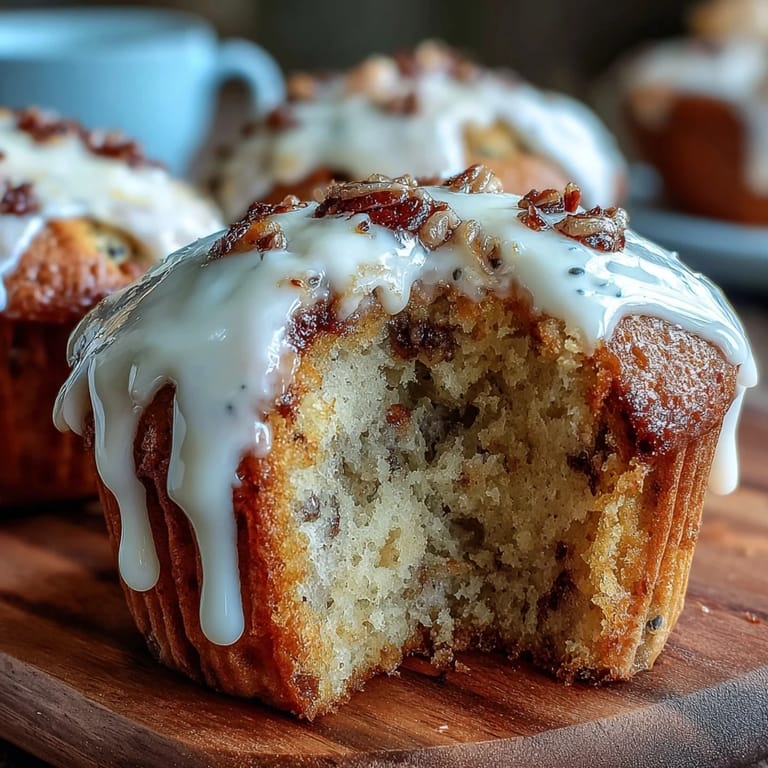
The glaze is what transforms these from homemade muffins into something you'd buy at a fancy bakery, so don't rush this part or skip it thinking they're good enough plain. A thick, shiny coating catches the light and makes people stop and look before they eat. Consistency matters too—too thick and it sits on top like plaster, too thin and it runs off completely.
- Start with 2 tablespoons of lemon juice and add the third tablespoon gradually until you reach that pourable consistency that coats but doesn't drip.
- Sifting your powdered sugar removes lumps that would otherwise create a grainy, gritty texture that looks amateurish.
- Let the glaze set for at least 10 minutes before serving or stacking the muffins, or it will smudge and look messy.
 Pin It
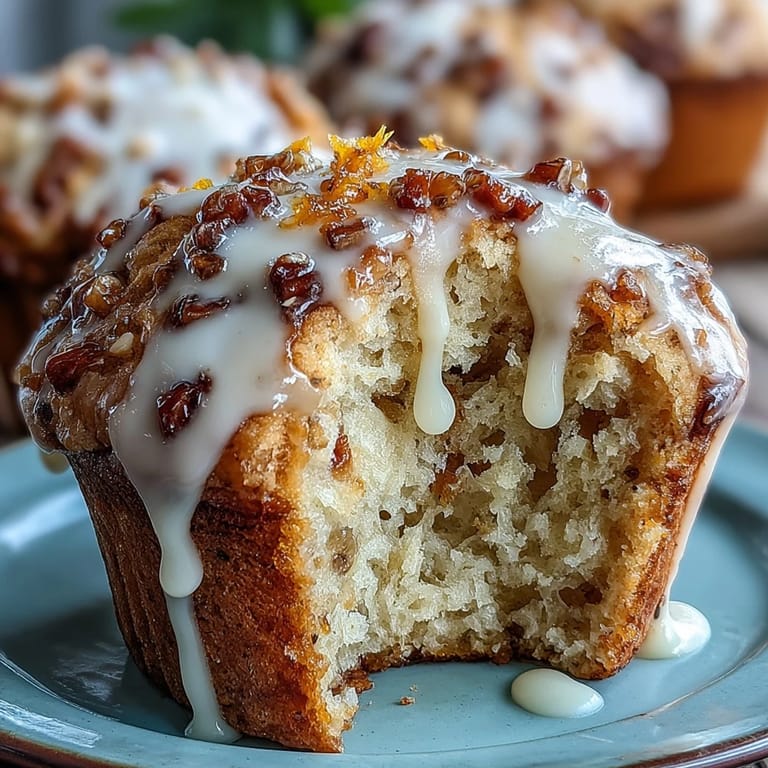
 These muffins prove that simple ingredients and a little attention to detail make all the difference between ordinary and memorable. Serve them warm with coffee or tea, and watch people's faces light up when they taste actual lemon, not lemon-flavored sugar.
Recipe FAQs
- → How do I keep the muffins moist?
Use fresh lemon juice and melted butter, and avoid overmixing the batter to maintain tenderness and moisture in the muffins.
- → Can I replace poppy seeds with another ingredient?
Chia seeds or sesame seeds can be mild alternatives, but poppy seeds provide a unique crunch and flavor that's best for this dish.
- → What is the best way to add lemon flavor?
Incorporate both fresh lemon juice and grated lemon zest to maximize bright, citrus notes throughout the muffins and glaze.
- → How long do these muffins stay fresh?
Store in an airtight container at room temperature; they remain fresh for up to two days or can be chilled for longer storage.
- → Can these be made dairy-free?
Substitute butter with coconut oil or dairy-free margarine, and use plant-based milk instead to adapt for dairy-free needs.