 Pin It
 There's something about the first warm day of spring that makes you crave vegetables that actually taste like vegetables. My neighbor knocked on the door one April morning with a basket of radishes still wearing their dirt, and I realized I'd been making salads all wrong—too heavy, too predictable. That afternoon, I threw together whatever looked bright at the farmer's market and found myself whisking up this lemon vinaigrette without thinking twice. It was the kind of meal that tastes like the season itself.
I made this for my sister's unannounced visit last year, and she ate nearly the entire bowl straight from the serving platter while standing at the kitchen counter. She said it tasted like spring water mixed with sunshine, which sounds ridiculous until you actually taste how the lemon zest just floats above everything else. Sometimes the simplest meals are the ones people remember.
Ingredients
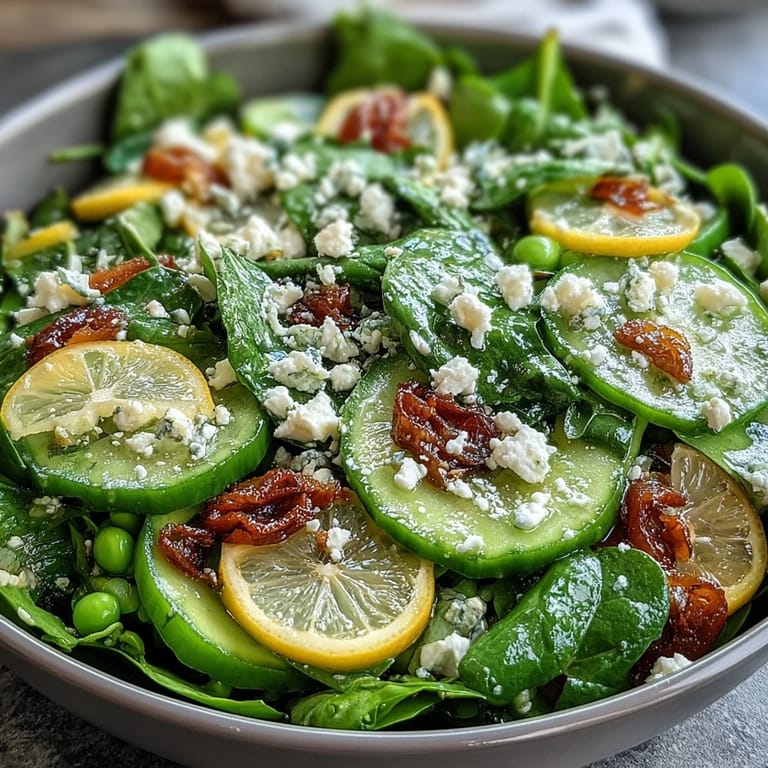
- Mixed spring greens: Use a combination of arugula, baby spinach, and watercress for layers of flavor and texture—each one brings its own peppery or mineral note that builds something special.
- Sugar snap peas: Slice them on the diagonal so they catch the vinaigrette better and look purposefully arranged rather than just chopped up.
- Fresh green peas: If you're using frozen, thaw them completely and pat them dry so they don't water down your dressing.
- Radishes: Slice them thin enough that they're almost translucent—this is where a sharp knife actually matters because you want them delicate, not chunky.
- Red onion: A small amount goes a long way; the sharpness wakes up everything around it.
- Extra virgin olive oil: This is not the place to use the bottom-shelf bottle—good oil makes the vinaigrette actually taste like something.
- Fresh lemon juice: Bottled will make you regret it; a real lemon takes thirty seconds to squeeze and tastes completely different.
- Lemon zest: Grate it fine so it distributes evenly instead of giving you occasional bursts of bitter intensity.
- Dijon mustard: Acts as an emulsifier so your dressing doesn't separate the moment you make it.
- Honey: Just a teaspoon balances the acid without making anything taste sweet.
- Fresh chives: Add them right at the end so they stay bright and don't wilt into nothing.
- Feta cheese: Optional but it adds a little salt and creaminess that makes you feel fancy without any actual effort.
Tired of Takeout? 🥡
Get 10 meals you can make faster than delivery arrives. Seriously.
One email. No spam. Unsubscribe anytime.
Instructions
- Gather your greens and crisp vegetables:
- Wash everything and spin it dry if you have the equipment—wet leaves will dilute your dressing and ruin the whole effect. Toss the greens, snap peas, green peas, radishes, and red onion into a large bowl as you finish prepping, so nothing sits around getting sad.
- Make the vinaigrette:
- In a small bowl or jar, combine the olive oil, lemon juice, zest, mustard, honey, salt, and pepper. Whisk it vigorously for about a minute until it turns slightly creamy and emulsified—you'll notice the color lightens a bit and it stops looking like it's about to separate.
- Dress the salad gently:
- Drizzle the vinaigrette over your bowl of vegetables and toss everything with your hands or two forks, moving slowly enough that you're coating without bruising the delicate greens. This is not the moment to be aggressive.
- Plate and finish:
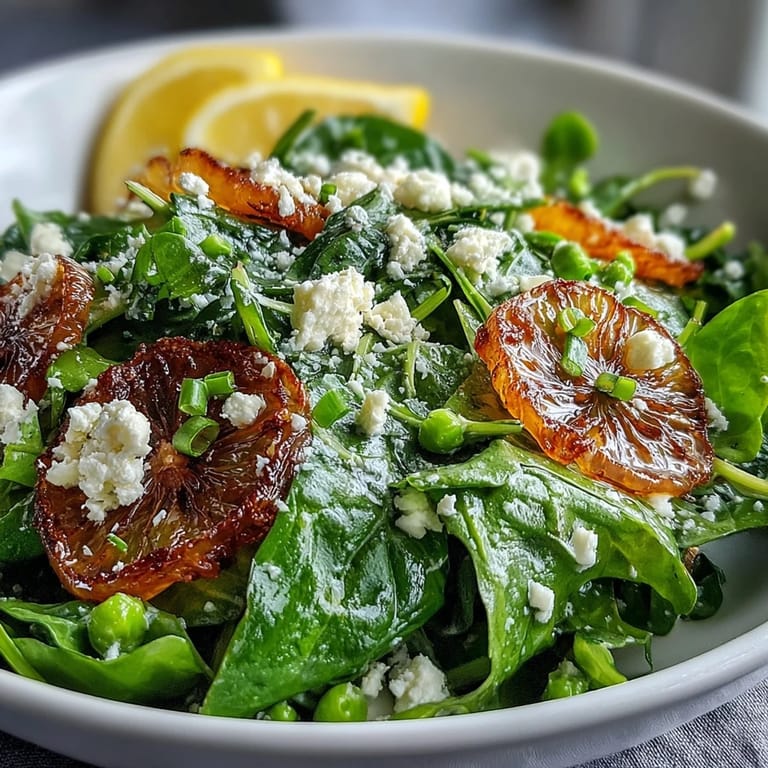
- Transfer to a serving platter or individual bowls immediately, then scatter the chives and feta across the top. Serve right away so the greens stay crisp and everything still tastes like spring.
 Pin It
 My daughter started asking for this salad by name, which shocked me since she's at the age where vegetables are apparently invented by enemies. It became our thing to make together on Saturday mornings when the farmers market was crowded and chaotic. Now when she tastes something with lemon, she says it tastes like Saturday.
The Magic of Contrast
This salad works because every component brings something different to the table—peppery greens against sweet peas, crisp radishes cutting through creamy cheese, bright acid landing on top of everything like an exclamation point. When you're building a dish with minimal cooking, texture and contrast become your actual technique. Pay attention to how each vegetable feels in your mouth, and you'll understand why this formula works for spring.
Timing and Temperature
Serve this cold, and let everything sit at room temperature for maybe two minutes after dressing so the flavors actually come through instead of being numbed by the cold. I learned this the hard way by making it ahead and wondering why it tasted like expensive sadness when it was supposed to taste like joy. The difference between pulling it straight from the fridge and letting it breathe for ninety seconds is honestly shocking.
Variations That Actually Work
Once you understand this base, you can swap things in without breaking the formula—use whatever peas and greens look good, change the vinaigrette to lime if you're feeling brave, or pile on the additions to make it a meal. The structure holds, which means you can cook this in your sleep or completely improvise depending on your mood. Here's what actually matters:
- Keep the acid bright and forward so it reads immediately when you taste it.
- Balance your textures so you have at least two different crunches fighting for attention.
- Add the cheese and chives at the absolute last second to preserve their character.
 Pin It
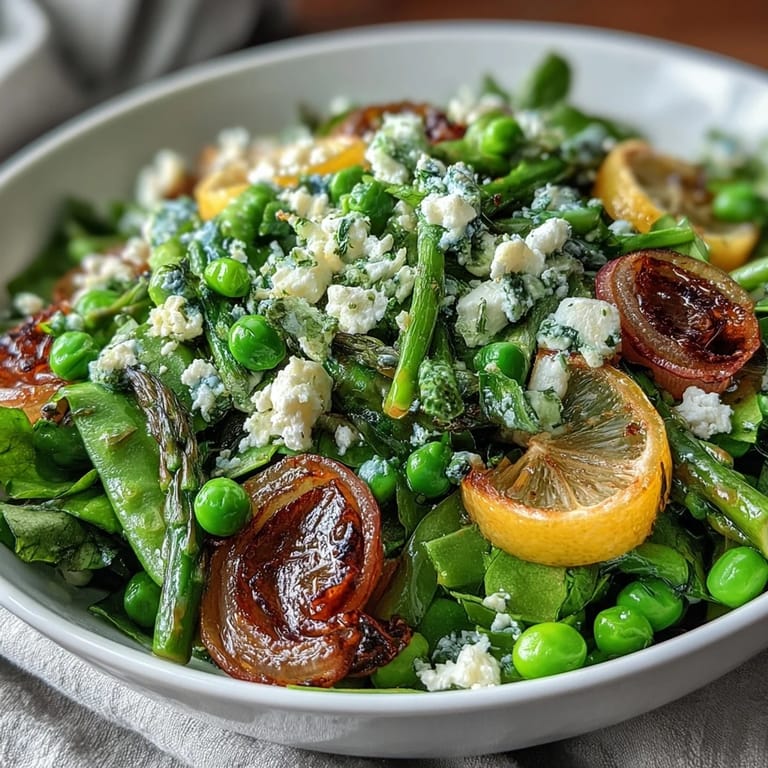
 This is the kind of salad that feels light but leaves you actually satisfied, which is the entire point of spring eating. Make it whenever you need to remember that sometimes the best meals are the ones that celebrate their ingredients instead of hiding them.
Recipe FAQs
- → What can I use instead of feta cheese?
You can omit feta for a dairy-free option or substitute with vegan feta or crumbled tofu seasoned with lemon and herbs.
- → Can I prepare the vinaigrette in advance?
Yes, the lemon vinaigrette can be whisked and stored in the fridge up to 2 days ahead. Shake well before using.
- → Are there any good additions for extra crunch?
Toasted sunflower seeds, sliced almonds, or chopped walnuts add delightful texture and complement the fresh vegetables.
- → What proteins pair well with this salad?
Grilled chicken or salmon enhance the salad with added protein, making it heartier and more filling.
- → How should I serve this salad for best taste?
Serve immediately after tossing with vinaigrette to maintain crisp textures and vibrant flavors.