 Pin It
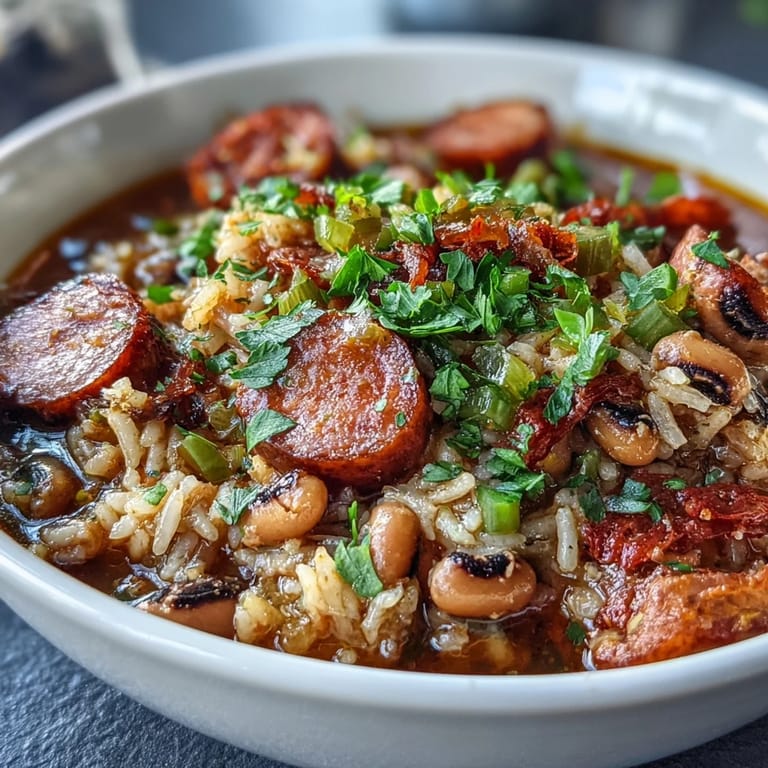
 My neighbor Marcus showed up one Saturday morning with a cooler full of smoked sausage from a local butcher, insisting I finally learn how to make proper jambalaya. I'd attempted it once before with all the wrong proportions, and the rice turned to mush while the flavor stayed flat. His version was different—bold, balanced, with each ingredient singing. We cooked it together in my kitchen while his stories about New Orleans filled the room, and by the time that first spoonful hit my tongue, I understood why this one-pot miracle has stayed in my regular rotation ever since.
I made this for a small dinner party last fall, and what struck me wasn't just how quickly it came together, but how everyone kept coming back for seconds while standing around the stove. My friend Elena, who's usually skeptical of anything too spicy, asked for the recipe before dessert even arrived. There's something about jambalaya that feels like an invitation—warm, unpretentious, and generous enough to feed both hunger and community.
Ingredients
- Smoked sausage (Andouille or kielbasa), 340 g/12 oz, sliced: The smoky depth here is non-negotiable; it's the backbone that makes everything taste authentic and rich without extra fussing.
- Medium onion, diced: This sweetens as it cooks and becomes almost invisible in the final dish, building flavor layers underneath everything else.
- Celery stalks, 2, diced: Often overlooked, but it adds a subtle earthiness that balances the spice and keeps the dish from tasting one-dimensional.
- Red and green bell peppers, 1 each, diced: The color matters here—both visually and for the slightly different sweetness profiles they bring to the table.
- Garlic, 3 cloves, minced: Add this after the vegetables soften or it'll burn and taste bitter; timing is everything with garlic.
- Black-eyed peas, 1 can (425 g/15 oz), drained and rinsed: These beans are more delicate than others and add a subtle earthiness that ties the whole dish together without overpowering it.
- Long-grain white rice, 300 g/1½ cups: Don't use short-grain here; the individual grains need to stay separate and absorb the flavorful broth without turning to starch.
- Low-sodium chicken broth, 800 ml/3⅓ cups: The low-sodium version gives you control over the salt level—crucial when you're layering spices.
- Canned diced tomatoes with juices, 1 can (400 g/14 oz): The acid cuts through the richness of the sausage and keeps the dish from feeling heavy.
- Olive oil, 2 tbsp: This is your cooking medium and also helps carry the fat-soluble flavors from the spices throughout the dish.
- Cajun seasoning, 1½ tsp: The real workhorse here; use a good quality blend or make your own if you want to control the heat level.
- Smoked paprika, 1 tsp: This adds that characteristic depth without requiring actual smoke—pure kitchen magic in a spice jar.
- Dried thyme and oregano, ½ tsp each: These herbs whisper into the background but would be sorely missed if you left them out.
- Bay leaf, 1: It infuses the entire pot with subtle complexity; always remove it before serving to avoid an unpleasant chew.
- Salt and black pepper, ½ tsp and ¼ tsp: Start conservative and taste as you go—the broth and sausage already carry sodium.
- Cayenne pepper, ¼ tsp (optional): Add this only if you want genuine heat; it sneaks up on you, so better to start small.
- Spring onions and fresh parsley, 2 tbsp and 2 tbsp, for garnish: These finish the dish with brightness and signal to people that you actually cared about the details.
Tired of Takeout? 🥡
Get 10 meals you can make faster than delivery arrives. Seriously.
One email. No spam. Unsubscribe anytime.
Instructions
- Brown the sausage:
- Heat your oil in the pot until it shimmers slightly, then add the sliced sausage. Let it sit for a minute before stirring—you want those edges to caramelize and develop color, which takes about 4 to 5 minutes. This step builds flavor you can't rush.
- Build the vegetable base:
- Once the sausage is browned, add your diced onion, celery, and both bell peppers. Cook them for about 5 minutes, stirring occasionally, until they soften and start to release their moisture. You'll smell the sweetness developing; that's your signal they're ready.
- Wake up the aromatics:
- Stir in the minced garlic and let it cook for just 1 minute—long enough to become fragrant but not so long that it turns bitter. The smell will fill your kitchen and remind you why this matters.
- Toast the rice:
- Add your rice and stir it constantly for about 1 to 2 minutes so each grain gets coated in the oil and vegetable mixture. This step sounds small but prevents the rice from clumping and helps it stay tender rather than mushy.
- Add the liquids and seasonings:
- Pour in the broth, tomatoes with their juices, and the drained black-eyed peas. Sprinkle in all your spices—the Cajun seasoning, paprika, thyme, oregano, bay leaf, salt, pepper, and cayenne if you're using it. Stir everything together so the spices dissolve evenly and nothing settles on the bottom.
- Simmer until tender:
- Bring the whole pot to a boil, then reduce the heat to low, cover it, and let it sit undisturbed for 20 to 25 minutes. The rice will absorb all that flavorful liquid; resist the urge to peek too often because steam escaping means uneven cooking.
- Rest and finish:
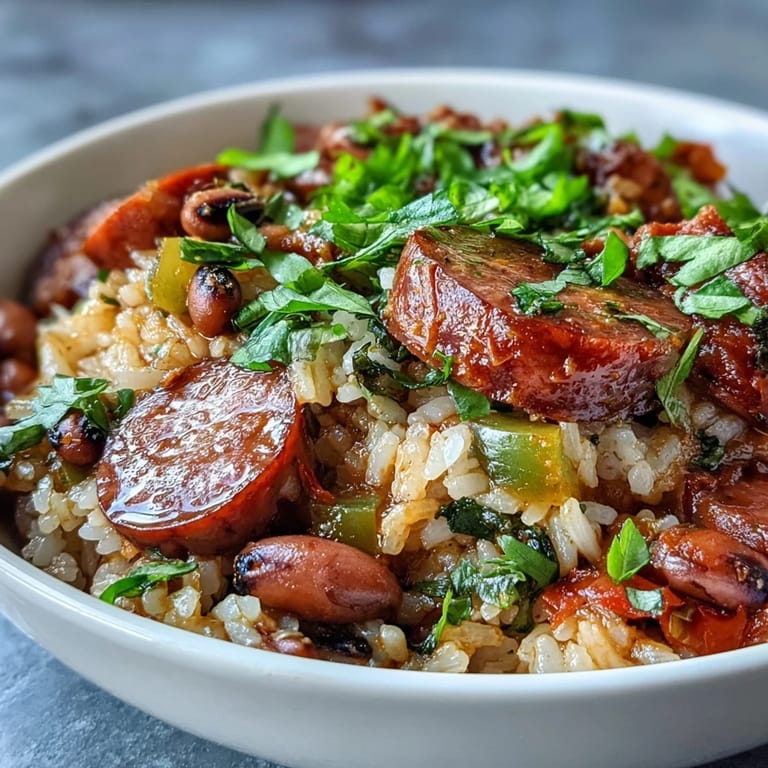
- Once the rice is tender and the liquid is gone, take the pot off heat and let it sit covered for 5 minutes—this resting period lets everything settle and the flavors marry. Fluff it gently with a fork, discard the bay leaf, and top with spring onions and fresh parsley.
 Pin It
 My daughter asked if we could make this for her school potluck, and seeing her proudly carry that pot down the hallway, knowing she'd helped build something from scratch that would feed people she cared about—that's when I realized this recipe had become more than dinner. It's become a small act of generosity, one that tastes like home no matter whose kitchen it's made in.
Why This Works as a One-Pot Meal
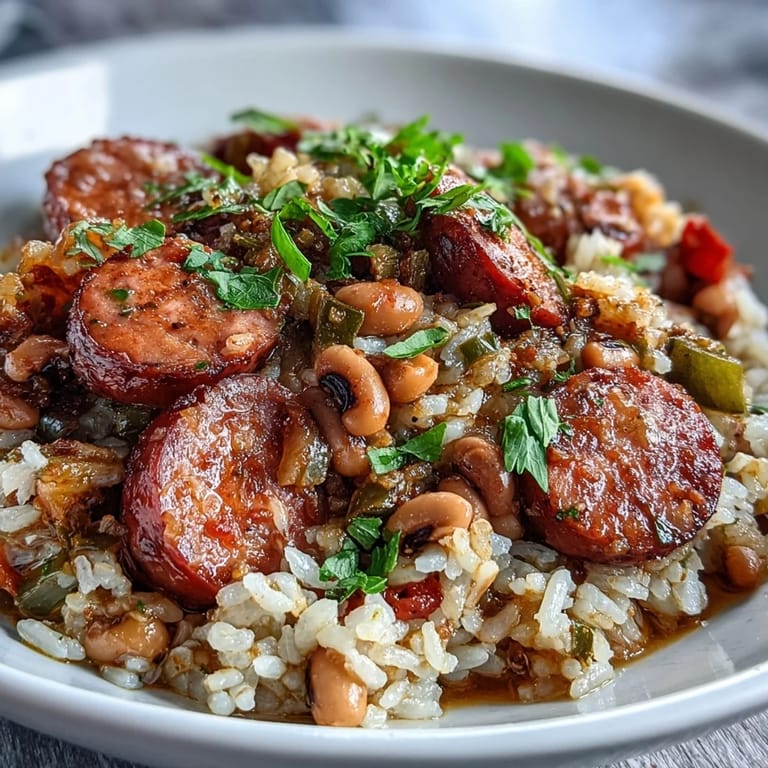
The genius of jambalaya is that the rice cooks directly in the spiced broth with everything else, absorbing flavor at every stage instead of just being an afterthought. You're not standing over multiple pots wondering what's burning; you're managing one beautiful, cohesive thing that comes together on its own timeline. The vegetables soften to just the right texture, the beans warm through without falling apart, and the sausage releases its oils to coat every grain of rice—it's actually efficient cooking, not just convenient.
Adjusting the Heat Level
Some people want this dish to gently warm their mouth; others want it to announce itself with real spice. The cayenne pepper is optional for exactly this reason—you can build heat gradually by adding it a pinch at a time and tasting as you go. Start with the base Cajun seasoning, which carries warmth but not aggression, and layer in cayenne if you want more drama. Your taste buds aren't wrong if you want less spice; respecting that is more important than some arbitrary heat standard.
Making It Your Own
This recipe is sturdy enough to handle your preferences without falling apart. If you want to skip the meat, use vegetable broth and add mushrooms or extra beans for substance; the dish will still taste rich and complete. You could throw in okra if you have it, use frozen peppers in winter, or add a splash of hot sauce at the table for people who want that extra kick. The core technique—building flavor, simmering together, letting it rest—stays the same no matter what you change.
- If you're cooking ahead, let it cool completely before refrigerating so the texture stays better when you reheat it.
- Reheat gently over low heat with a splash of broth if it seems dry, which keeps the rice from getting tough.
- Leftover jambalaya gets better on day two as the spices have time to settle and deepen.
 Pin It
 This dish has a way of turning an ordinary dinner into something worth remembering, whether you're feeding a crowd or just cooking for yourself on a quiet Tuesday. Once you've made it once, you'll understand why people keep coming back to it.
Recipe FAQs
- → Can I make this vegetarian?
Yes, simply omit the smoked sausage and substitute vegetable broth for chicken broth. You can add extra black-eyed peas, mushrooms, or plant-based sausage to maintain heartiness and protein content.
- → What type of rice works best?
Long-grain white rice is ideal as it stays fluffy and separate during cooking. Brown rice can be used but will require additional liquid and longer cooking time—about 45 minutes total.
- → How spicy is this dish?
The spice level is moderate with Cajun seasoning and optional cayenne. Adjust by reducing Cajun seasoning to 1 teaspoon and omitting cayenne for a milder version, or increase both for extra heat.
- → Can I use dried black-eyed peas instead of canned?
Yes, soak 1 cup dried peas overnight, then cook separately until tender before adding to the jambalaya. This will add about 1-2 hours to total preparation time.
- → How long do leftovers keep?
Store in an airtight container in the refrigerator for up to 4 days. Reheat gently with a splash of water or broth to restore moisture. The flavors often improve after a day.
- → What can I serve with jambalaya?
Cornbread, crusty French bread, or a simple green salad balance the richness. Hot sauce, pickled peppers, or hot sauce on the side let diners customize spice levels.