 Pin It
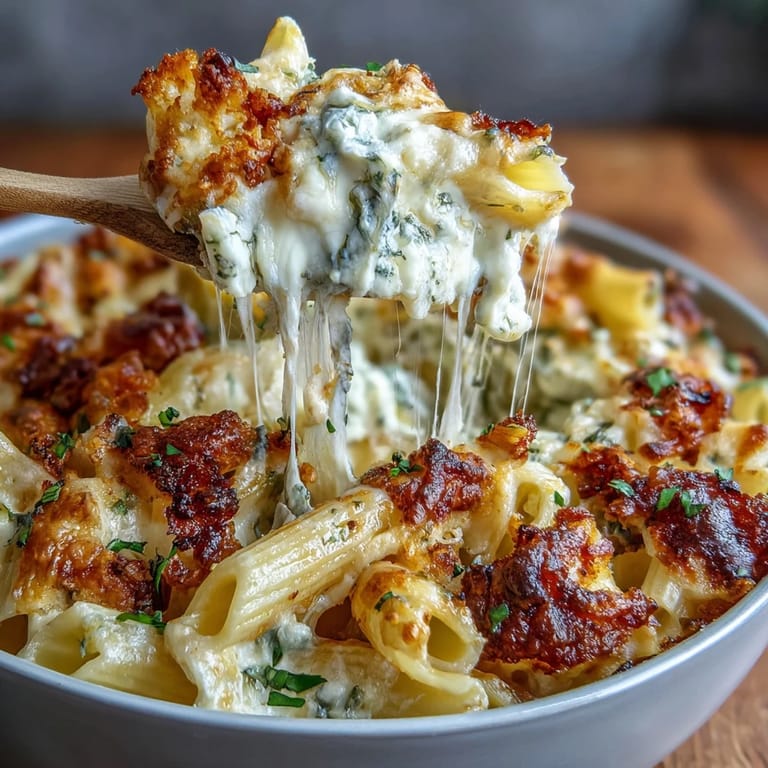
 There's something about a pot that does double duty—both stovetop workhorse and oven vessel—that feels like cheating in the best way. I discovered this one-pot pasta bake on a Tuesday evening when I was too tired to juggle multiple dishes, and somehow the magic happened anyway: pasta cooked right in the tomato sauce, cheese melting into every crevice, and by the time it came out of the oven, golden and bubbling, my kitchen smelled like someone who actually had their life together.
I made this for my neighbor last month when she mentioned feeling overwhelmed by cooking during exam season, and watching her face light up when she pulled it from the oven—the cheese practically glowing under the kitchen light—reminded me why simple, filling food matters so much more than we usually admit.
Ingredients
- Short pasta (penne, fusilli, or rigatoni): 12 oz (340 g) of any short shape works beautifully; I prefer penne because it catches the cheese, but use what you have.
- Olive oil: 1 tbsp to start the aromatics and build flavor foundation.
- Onion: 1 medium, finely chopped; don't rush the softening—those three minutes matter for sweetness.
- Garlic: 3 cloves, minced; the one-minute cook stops it from turning bitter in the oven.
- Crushed tomatoes: 1 (28 oz/800 g) can, the backbone of everything; canned works as well as fresh here.
- Dried oregano and basil: 1 tsp each; dried herbs actually shine in one-pot cooking because they steep into the sauce.
- Red pepper flakes: ½ tsp optional, but a tiny pinch wakes up the whole dish without overwhelming it.
- Salt and black pepper: 1 tsp salt and ½ tsp freshly ground pepper; taste as you go because cheese adds saltiness later.
- Vegetable broth or water: 2 cups (480 ml) to cook the pasta through without it turning to mush.
- Mozzarella cheese: 1½ cups (180 g) shredded; this is the melter that creates those stretchy, gorgeous strands.
- Parmesan cheese: ½ cup (60 g) grated; use real Parmesan if you can, it browns beautifully on top.
- Cheddar cheese: 1 cup (120 g) shredded; adds a subtle sharpness that rounds out the milder mozzarella.
- Fresh parsley or basil: 2 tbsp chopped for garnish; the fresh herb at the end tastes completely different from dried and matters.
Tired of Takeout? 🥡
Get 10 meals you can make faster than delivery arrives. Seriously.
One email. No spam. Unsubscribe anytime.
Instructions
- Preheat and prepare:
- Heat your oven to 400°F (200°C) and make sure your pot is oven-safe (check the handle—if it's plastic, wrap it in foil later).
- Build the flavor base:
- Heat olive oil in your large oven-safe pot over medium heat, then add the chopped onion. Let it soften for three to four minutes until it's translucent and just starting to smell sweet; this is the moment you know it's ready for garlic.
- Wake up the garlic:
- Stir in the minced garlic and cook for exactly one minute—you want it fragrant but not brown, because brown garlic tastes bitter and disappoints everyone.
- Layer in the sauce:
- Add the crushed tomatoes, oregano, basil, red pepper flakes if using, salt, and pepper. Stir until everything combines and the kitchen starts to smell like Italy, even if you're not actually in Italy.
- Add the pasta and liquid:
- Pour in the uncooked pasta and vegetable broth, stirring well so every strand gets coated and submerged. This looks like a lot of liquid right now, but the pasta will drink it up.
- First cook on the stovetop:
- Bring everything to a simmer, cover the pot, and let it cook for ten to twelve minutes, stirring occasionally. The pasta should be just barely tender (al dente), not fully soft, because it'll cook more in the oven.
- Stir in half the cheese:
- Remove from heat and stir in half of the mozzarella and cheddar, letting the residual heat start melting it. This helps the flavors blend rather than just sitting on top.
- Top with remaining cheese:
- Sprinkle the rest of the mozzarella and cheddar, then all of the Parmesan evenly over the surface. Go a little heavier on the edges—they brown first and taste incredible.
- Bake until golden:
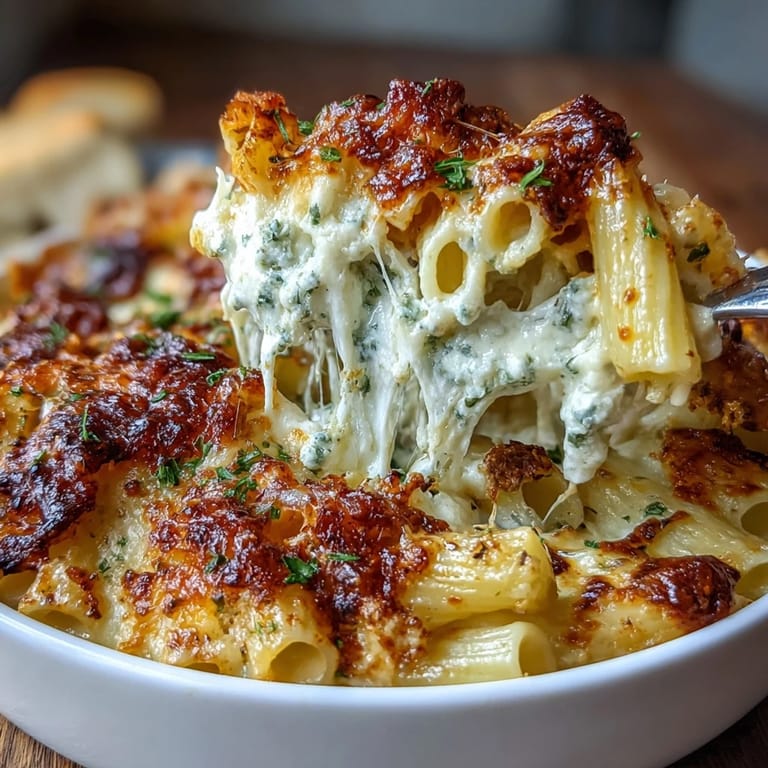
- Transfer to the oven and bake uncovered for ten to twelve minutes, or until the cheese is golden and bubbling at the edges. You'll know it's done when it smells irresistible and looks like the kind of thing people fight over.
- Rest and garnish:
- Let it sit for five minutes (I know it's hard to wait), then scatter fresh parsley or basil over top. This rest period lets the sauce settle and makes serving actually possible instead of just sliding cheese everywhere.
 Pin It
 My mom texted me a photo of this dish at her house last week with just the words "my new thing," which somehow means more than any recipe review ever could. When food quietly becomes someone's default when they want to feed people they care about, that's when you know it actually works.
Why One Pot Changes Everything
The genius of this dish isn't really about the cheese or sauce—it's about the philosophy that cooking should feel manageable, not like a performance. You're not standing there watching pasta boil in one pot while sauce reduces in another, juggling temperatures and timing. Instead, everything happens together, which feels more like cooking with intention rather than cooking under pressure. Plus, cleanup on a weeknight is already someone's nightmare, so why add to it?
Cheese Matters More Than You Think
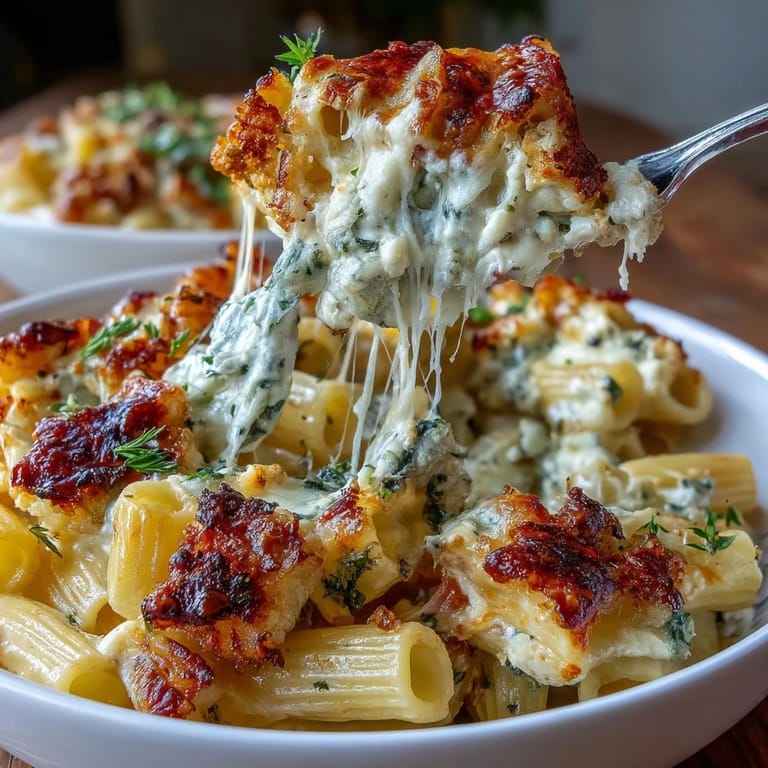
The combination of three cheeses isn't extra or fancy—each one does something different. Mozzarella stretches and melts smoothly, cheddar adds a subtle tangy depth, and Parmesan gets crispy and nutty on top where it meets the heat. I tried making this with just one cheese once because I was being lazy, and it was fine, but not memorable. When you use all three, the cheese becomes almost a character in the dish rather than just a topping.
Flexibility and Variations
This recipe is more forgiving than it looks, which is part of why it works for actual weeknights instead of just in your head. I've added sautéed mushrooms, spinach, and roasted peppers depending on what was in my crisper drawer. I've also made a meatier version by browning ground beef or sausage first and stirring it in before the oven, which turns it into something heartier. The foundation stays solid, and you can build on it without everything falling apart.
- Add vegetables like mushrooms or spinach after the pasta softens but before the final cheese layer for extra nutrition without disrupting the cooking time.
- For a meat version, brown ground beef or sausage in the pot before the onion, then drain excess fat and continue as written.
- Serve with a simple green salad and crusty bread to balance the richness and make it feel like an actual meal rather than just pasta.
 Pin It
 This is the kind of recipe that quietly becomes part of your rotation, not because it's trendy or requires special equipment, but because it actually solves a real problem: how to feed people something warm and delicious on nights when you're tired. That's the whole point, really.
Recipe FAQs
- → Can I use different types of pasta for this dish?
Yes, short pasta shapes like penne, fusilli, or rigatoni work best to hold the sauce and cheese.
- → How do I avoid the pasta becoming mushy?
Simmer the pasta just until al dente before baking, and use the suggested vegetable broth amount to prevent overcooking.
- → Can I add extra vegetables to the dish?
Absolutely, sautéed mushrooms, spinach, or bell peppers can be mixed in for added flavor and nutrition.
- → Is it possible to make this dish gluten-free?
Yes, simply substitute regular pasta with gluten-free pasta and ensure cheese ingredients are gluten-free.
- → What cheeses are used to achieve the gooey topping?
A blend of shredded mozzarella, cheddar, and grated Parmesan cheese creates a rich and melty cheese crust.