 Pin It
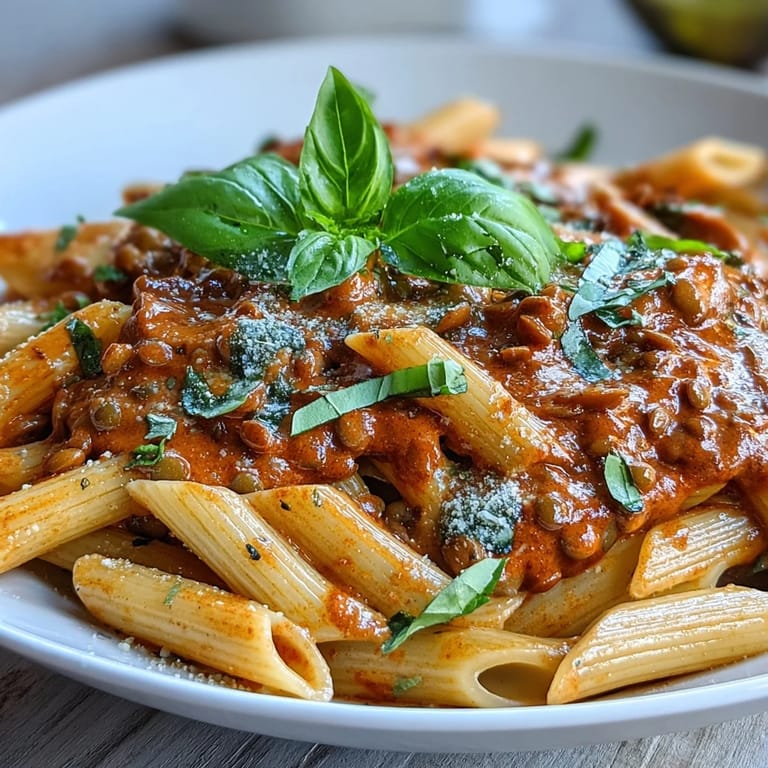
 There's something magical about the moment a blender transforms ordinary vegetables into silk. I discovered this pasta on a Tuesday when I had roasted red peppers languishing in my fridge and a bag of lentils I kept meaning to use for something more interesting than soup. The result was so creamy and rich that my partner asked if I'd somehow snuck dairy into a vegan dish, then seemed almost disappointed when I explained the secret was just a handful of humble lentils and nutritional yeast working their quiet alchemy together.
I made this for friends who'd recently gone plant-based and were quietly exhausted by their own experimental cooking. Watching them twirl pasta onto their forks and actually close their eyes in relief was the kind of small victory that reminds you why cooking for people matters. Someone asked for the recipe before they'd even finished eating, and I knew I'd stumbled onto something worth keeping around.
Ingredients
- Dried penne or fusilli pasta (340 g or 12 oz): The ridges and curves catch the sauce beautifully, and this weight makes exactly enough for four people without that awkward half-box situation.
- Roasted red bell peppers (2 large): These are the soul of the sauce—smoky and sweet—and honestly, jarred ones from the supermarket work just as well if you're short on time or oven space.
- Yellow onion (1 medium, chopped): Sautéing it first softens its sharp edges and lets it meld naturally into the background of the sauce.
- Garlic (3 cloves, minced): Toast it in the hot oil until fragrant but stop before it browns, or it'll turn bitter and overshadow everything else.
- Cooked lentils (120 g or 3/4 cup, well-drained): These are the hidden treasure that makes the sauce cling to the pasta and gives each bite unexpected protein and texture.
- Unsweetened plant-based milk (120 ml or 1/2 cup): Oat milk creates the silkiest texture, though almond and soy work too—just taste as you go since they have different flavor profiles.
- Olive oil (2 tbsp, divided): Use good quality here since it's actually visible in the final dish.
- Nutritional yeast (2 tbsp): This gives the umami depth and slight cheesy flavor that makes people stop and wonder what's in this.
- Tomato paste (1 tbsp): A small amount concentrates sweetness and adds complexity without making this taste like red sauce.
- Smoked paprika (1 tsp): This is what separates a nice sauce from one people remember—it adds warmth and a whisper of smoke.
- Dried oregano (1/2 tsp): Adds Mediterranean comfort without overshadowing the roasted pepper flavor.
- Salt and black pepper (1/2 tsp salt, 1/4 tsp pepper, adjusted to taste): Always taste before serving and add more if needed, since nutritional yeast can mask saltiness.
Tired of Takeout? 🥡
Get 10 meals you can make faster than delivery arrives. Seriously.
One email. No spam. Unsubscribe anytime.
Instructions
- Boil the pasta with intention:
- Fill a large pot with salted water and bring it to a rolling boil—you want it loud and aggressive. Add pasta and cook according to package directions, but start tasting about a minute before the recommended time so it's tender but still has slight resistance when you bite it. Before draining, scoop out a full half-cup of that starchy water and set it aside—this is your secret weapon for silky sauce.
- Build the flavor base:
- While the pasta is doing its thing, heat one tablespoon of olive oil in a skillet over medium heat until it shimmers. Add your chopped onion and let it soften for about four to five minutes, stirring occasionally until it starts to turn translucent and sweet-smelling. Toss in the minced garlic and cook for just another minute, until the smell hits that golden, aromatic point but before it can brown.
- Blend into magic:
- Pour everything savory into your blender—the sautéed onion and garlic, those roasted red peppers, the drained lentils, plant milk, nutritional yeast, tomato paste, and all the spices. Blend on high until you have something that looks like velvety paint, completely smooth with no visible pepper flecks or lentil pieces. This is where the lentils do their secret work, binding everything into creaminess.
- Finish the sauce with care:
- Pour the blended mixture back into your skillet over low heat and stir in the remaining tablespoon of olive oil. Now comes the adjustment—add your reserved pasta water a splash at a time, stirring between each addition, until the sauce reaches that perfect coating consistency that clings without drowning the pasta. Taste it and add more salt or pepper if it needs brightness or backbone.
- Bring it together:
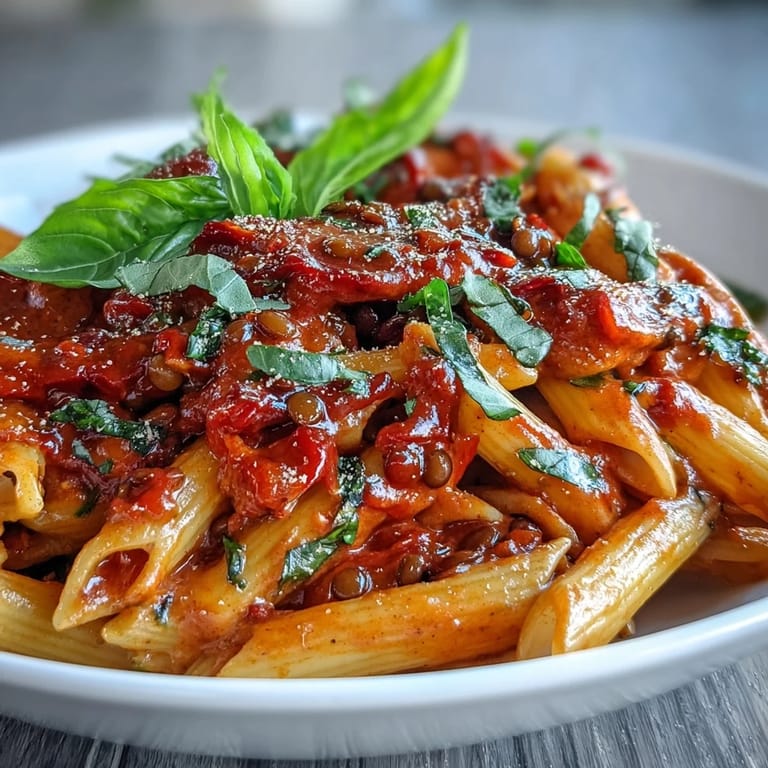
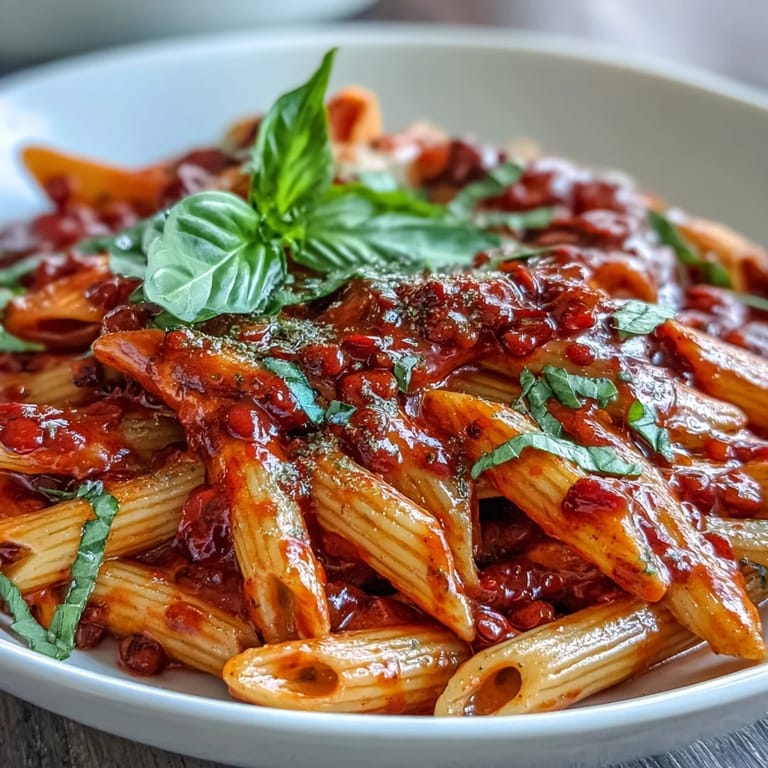
- Add your drained pasta directly to the sauce and gently toss everything together over medium heat for just a minute or two, until the pasta is warm and every piece is coated in that gorgeous pepper-colored sauce. Don't leave it sitting or it'll start to absorb liquid and thicken up.
- Plate and celebrate:
- Divide among bowls while everything is still hot and steaming. Tear some fresh basil over the top, scatter on vegan parmesan or a pinch of nutritional yeast, and sprinkle red pepper flakes if you like that heat.
 Pin It
 The real magic moment came when someone asked if this was a restaurant recipe and seemed almost offended when I said I'd basically invented it while standing in my kitchen on a random afternoon. That's when I understood this wasn't just dinner—it was proof that the simplest ingredients, treated with attention and a little creativity, become something that tastes like you spent hours on it.
The Lentil Advantage
Most people don't realize lentils are secretly incredible at creating creaminess in plant-based cooking. When they're blended smooth, they act like a thickener and binder that actual cream would in traditional cooking, but they also add nutrition and a subtle earthiness that makes you feel good about what you're eating. I started experimenting with different lentil varieties—red lentils make the sauce slightly sweeter and softer, while brown or green lentils add a bit more texture and depth.
Why Roasted Red Peppers Are Worth the Effort
Fresh roasted red peppers taste completely different from their jarred counterparts—they're sweeter, more complex, with that slightly smoky char that jarred ones can't quite capture. If you have the time, roast them yourself: halve them, remove the seeds, brush with oil, and roast at 200°C (400°F) for about twenty minutes until the skin blackens, then let them cool wrapped in foil before peeling. That said, I'm not going to judge you for buying the jarred version on a Tuesday night when you just want dinner without fanfare—sometimes good enough is actually perfect.
Storage and Serving Ideas
This sauce keeps beautifully in the refrigerator for up to four days, and it actually tastes richer the next day as flavors deepen and marry together. You can reheat it gently on the stove with a splash of plant milk if it's gotten too thick, or even serve it cold as a pasta salad if you're feeling adventurous.
- Stir in sautéed spinach or zucchini just before serving if you want to sneak in more vegetables without changing the vibe.
- Pair this with a bright green salad and crusty bread to round out the meal into something that feels complete and celebratory.
- Leftovers make excellent cold pasta salad the next day if you dress them lightly with olive oil and fresh lemon juice.
 Pin It
 This pasta taught me that some of the most satisfying meals come from working with what you have rather than chasing some perfect ingredient list. It's the kind of dish that gets better every time you make it because you learn what your palate needs and adjust it accordingly.
Recipe FAQs
- → Can I use different lentils in this dish?
Yes, brown or green lentils work well, and red lentils can be used for a sweeter, slightly softer texture.
- → How do I roast the peppers for the sauce?
Roast whole red bell peppers under a broiler or on a grill until charred, then peel off the skins and remove seeds for a smoky flavor.
- → Can I substitute the plant-based milk?
Any unsweetened plant-based milk like oat, almond, or soy works to maintain the creamy consistency without altering flavor significantly.
- → What pasta types are best for this creamy sauce?
Short pastas like penne or fusilli hold the sauce well, soaking up the creamy texture for balanced bites.
- → Is the sauce consistency adjustable?
Yes, reserved pasta water can be added gradually to thin the sauce to your preferred consistency before combining with pasta.