 Pin It
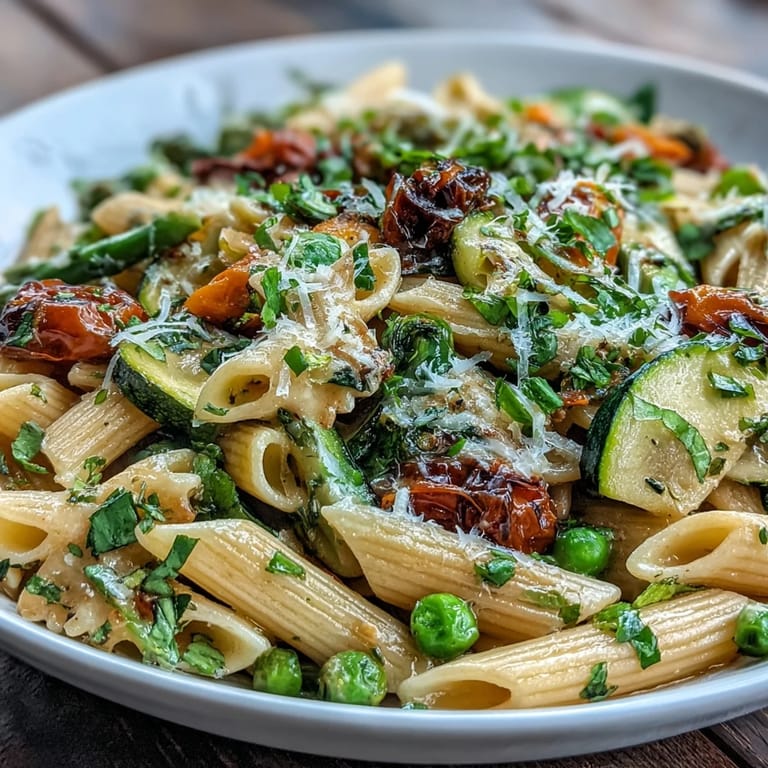
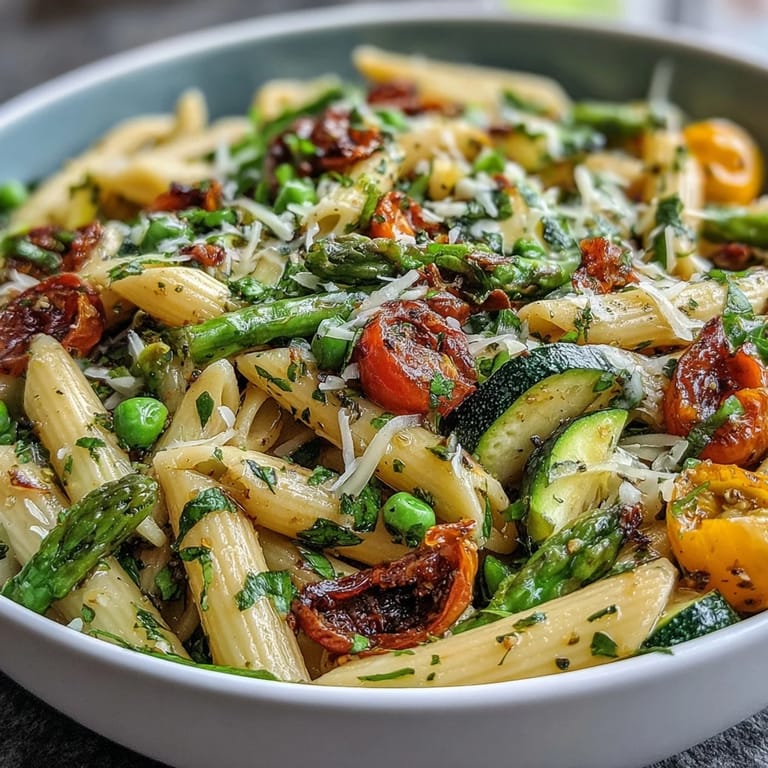
 The dulcet clatter of spring mornings always nudges me toward lighter, brighter meals, and this pasta primavera is no exception. One April afternoon, as rain gently tapped against my kitchen window, I found myself rummaging through my crisper drawer, inspired by the bursts of color and freshness I’d seen at the farmers’ market earlier that week. Tossing together a handful of just-snapped asparagus, sweet peas, and the last of the winter lemons became an impromptu symphony for my senses. The scent of basil wafting up from the counter felt almost like a gentle invitation to linger. Somehow, my mood infuses the bowl—this dish tastes like the optimism of spring.
I remember making pasta primavera for a quick weeknight dinner after a long day, not expecting it to become the highlight of our evening. When the steam from the skillet curled upward, my partner wandered in, drawn by the garlicky aroma, and ended up staying to slice tomatoes and chat about his day. That small collaboration—tiny, unplanned—made the meal surprisingly joyful. By the time we took our first bite, laughter was already bubbling around the table. Cooking this dish became a ritual for reconnecting, even on the busiest weeks.
Ingredients
- Pasta: Penne, farfalle, or whatever short pasta is around—for this recipe, I favor shapes that hug the sauce, but anything al dente works beautifully.
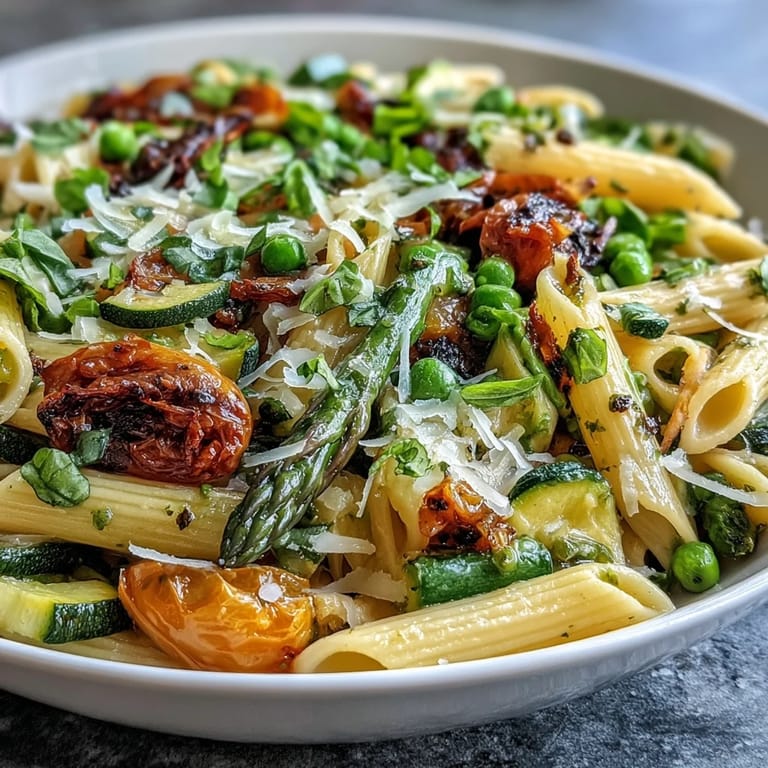
- Fresh Vegetables: A mix of zucchini, yellow squash, asparagus, tomatoes, bell pepper, and peas brings both color and crunch; slice evenly for quick, even cooking.
- Aromatics & Herbs: Garlic and shallot lend depth, while basil and parsley add bursts of freshness—it’s worth chopping them just before adding for maximum fragrance.
- Lemon: Both zest and juice lift the whole dish, making every bite taste brighter; I once forgot the zest and missed its subtle sparkle.
- Olive Oil: Go for extra-virgin—you’ll taste the difference, and it helps the sauce cling to the pasta.
- Parmesan Cheese: A shower of Parmesan brings savory richness; shave some extra for serving if you want a special touch.
- Seasonings: Salt, pepper, and a pinch of red pepper flakes create layers of flavor—don’t skip the flakes if you like a bit of warmth.
Tired of Takeout? 🥡
Get 10 meals you can make faster than delivery arrives. Seriously.
One email. No spam. Unsubscribe anytime.
Instructions
- Start with Pasta:
- Fill your biggest pot with water, salt it generously, and cook your chosen pasta until it’s just tender, stirring now and then to prevent sticking. Don’t forget to save some cooking water just before you drain—the starchy liquid is gold for the sauce.
- Sauté Aromatics:
- Heat olive oil in a roomy skillet and toss in the shallot and garlic; let them sizzle gently for about a minute, keeping an eye so they don’t burn. The kitchen fills with that unmistakable savory scent that signals something good is happening.
- Add Spring Veggies:
- Scatter zucchini, squash, asparagus, and bell pepper into the pan and stir occasionally, letting them soften but still stay vibrant—a little char on the edges brings sweet flavor.
- Tomatoes & Peas:
- Once the first batch of veggies is mostly tender, tumble in cherry tomatoes and peas; their juices mingle with the oil and create the beginnings of your sauce in the pan.
- Combine Pasta and Veggies:
- Transfer the drained pasta into the skillet and toss everything together, letting the heat marry the flavors without overcooking the vegetables.
- Herb & Citrus Magic:
- Sprinkle in basil, parsley, lemon zest, and juice, then drizzle with a bit more olive oil; stir gently as the pasta becomes glossy and fragrant. Season with salt, pepper, and—if feeling adventurous—a dash of red pepper flakes.
- Final Cheese Finish:
- Take the skillet off the heat and fold in the Parmesan; it melts just enough to coat the pasta lightly. Serve hot, topped with more cheese and fresh herbs for a burst of spring color.
 Pin It
 One sunny afternoon, after everyone had finished second helpings, we lingered around the kitchen—not cleaning up but swapping garden stories. The bowl of pasta sat between us, almost an excuse to sit together longer, to savor both the meal and the moment. That day, I realized how food can coax out conversation and slow us down. The dish was gone, but the laughter stayed behind. Primavera became more than a recipe—it somehow opened up the room for connection.
Little Tweaks That Make a Big Difference
Swapping different veggies is half the fun—sometimes I toss in snap peas or baby spinach for extra crunch and color. If you’re feeling bold, a splash of white wine alongside the lemon juice gives the sauce an elegant complexity. It’s also worth noting how the shape of the pasta can alter the overall texture—long noodles create silky twirls, while short ones gather the sauce in pockets.
Serving Suggestions to Make It Shine
This primavera pairs beautifully with crusty bread and a glass of crisp Pinot Grigio. On warmer nights, a tangy green salad with shaved fennel complements the sweetness of the veggies. Sometimes, I lay a few lemon wedges on the table, just in case anyone wants an extra squeeze—the brightness never hurts.
Secrets for Effortless Weeknight Success
Prepping all your vegetables ahead makes the cook feel less rushed—chopping quietly becomes a peaceful start after a busy day. I recommend setting out all your herbs and zest before you start so nothing is forgotten in the excitement. A wooden spoon is perfect for tossing pasta and veggies together gently, without mashing the tender tomatoes.
- If you’re short on time, frozen peas work really well.
- For a vegan version, use plant-based cheese and watch everyone ask for seconds.
- Always taste for seasoning before serving—you can’t fix bland after it’s in the bowl.
 Pin It
 May your evening be brightened by a bowl full of spring flavors and easy conversation. Primavera has a way of making me wish all meals felt as joyful as this one.
Recipe FAQs
- → Which pasta shape works best?
Penne or farfalle are ideal, as their shape holds the sauce and veggies nicely.
- → Can I use frozen vegetables?
Frozen peas work well; other veggies are best fresh for optimal texture and flavor.
- → How can I make it vegan?
Omit Parmesan or substitute with a plant-based cheese alternative to keep it fully vegan.
- → What wine pairs well?
Try a crisp Pinot Grigio or Sauvignon Blanc to complement the bright flavors and vegetables.
- → Can I add extra vegetables?
Yes, snap peas, baby spinach, or any other spring produce can be added to customize the dish.
- → Is this dish gluten-free?
Use gluten-free pasta to make the meal suitable for those with gluten sensitivities.