 Pin It
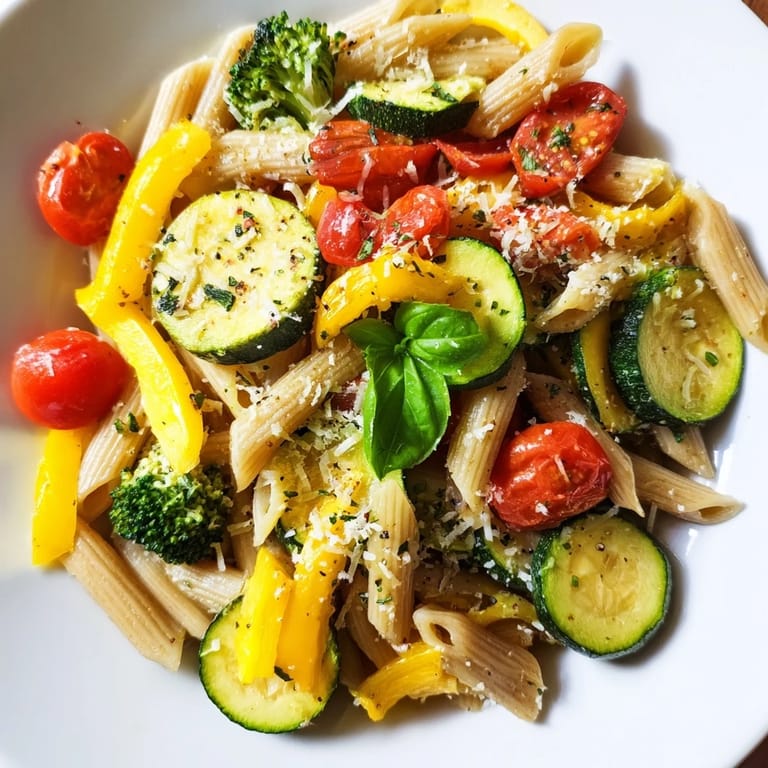
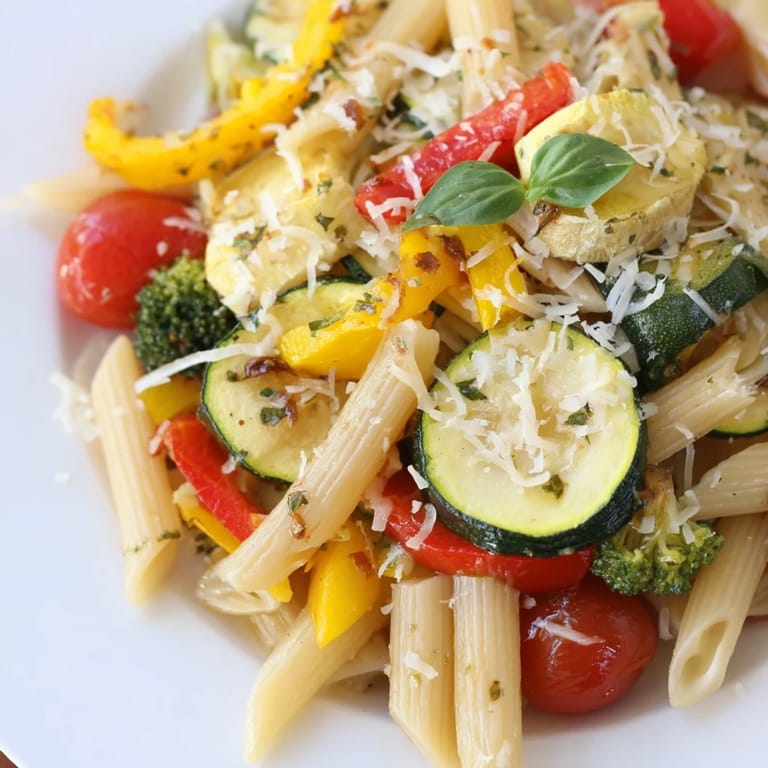
 The smell of garlic hitting warm olive oil always pulls me back into the moment, no matter how hectic the day has been. I started making this pasta on a Sunday afternoon when I had too many vegetables in the fridge and no clear plan. The oven did most of the work, coaxing sweetness out of the peppers and zucchini while I boiled water and grated cheese. It turned into one of those meals that feels both simple and celebratory, the kind you can throw together on a weeknight or serve to friends without stress.
I made this for my sister one evening when she stopped by unannounced, hungry and tired from a long shift. She sat at the counter while I tossed the roasted vegetables with the pasta, and I remember her saying it tasted like something from a bistro. That compliment stuck with me, because it reminded me that good food does not have to be complicated. Sometimes all you need is heat, olive oil, and vegetables at their peak.
Ingredients
- Penne or fusilli pasta (340 g): These shapes hold onto the vegetables and catch little pools of olive oil and Parmesan in their ridges, making every bite satisfying.
- Zucchini and yellow squash (1 medium each, sliced): They turn tender and slightly sweet in the oven, and their mild flavor lets the garlic and herbs shine through.
- Red and yellow bell peppers (1 each, cut into strips): Roasting brings out their natural sugar and gives them a smoky edge that balances the brightness of the tomatoes.
- Red onion (1 small, sliced): It softens and caramelizes in the oven, adding a gentle sweetness that ties all the vegetables together.
- Cherry tomatoes (150 g, halved): They burst and release their juices while roasting, creating little pockets of concentrated flavor throughout the dish.
- Broccoli florets (120 g): The florets get crispy at the tips and stay tender at the stems, adding texture and a slight bitterness that contrasts nicely with the sweeter vegetables.
- Extra virgin olive oil (3 tbsp, divided): Use a good quality oil here since it is not just for cooking but also becomes part of the sauce that coats the pasta.
- Garlic (3 cloves, minced): Sauteing it briefly in olive oil fills the kitchen with warmth and gives the dish its aromatic backbone.
- Dried Italian herbs (1 tsp): A blend of oregano, basil, and thyme adds a classic Italian touch without needing a bunch of fresh herbs on hand.
- Salt, black pepper, and red pepper flakes (½ tsp, ¼ tsp, pinch): These build the foundation of flavor, with the red pepper flakes adding a subtle heat that wakes up the palate.
- Parmesan cheese (50 g, freshly grated): Freshly grated melts better and tastes sharper than pre-grated, clinging to the pasta and vegetables with a nutty richness.
- Fresh basil or parsley (2 tbsp, chopped): A handful of fresh herbs at the end brightens everything and makes the dish feel alive.
- Lemon wedges (optional): A squeeze of lemon juice just before serving cuts through the richness and lifts all the flavors.
Tired of Takeout? 🥡
Get 10 meals you can make faster than delivery arrives. Seriously.
One email. No spam. Unsubscribe anytime.
Instructions
- Preheat and prep the baking sheet:
- Set your oven to 220°C (425°F) and line a large baking sheet with parchment paper so the vegetables do not stick. This high heat will give you those golden, caramelized edges.
- Season and roast the vegetables:
- Spread the zucchini, squash, peppers, onion, tomatoes, and broccoli in a single layer on the sheet, drizzle with 2 tbsp olive oil, and toss with the Italian herbs, salt, and pepper until everything glistens. Roast for 18 to 20 minutes, stirring halfway through so they cook evenly and develop color on all sides.
- Cook the pasta:
- While the vegetables roast, bring a large pot of salted water to a rolling boil and cook the pasta until al dente, following the package instructions. Before draining, scoop out half a cup of the starchy pasta water and set it aside.
- Saute the garlic:
- Heat the remaining 1 tbsp olive oil in a large skillet over medium heat, add the minced garlic, and cook for about 30 seconds until it smells fragrant but has not browned. You want the aroma without any bitterness.
- Combine pasta and vegetables:
- Add the roasted vegetables and drained pasta to the skillet with the garlic, tossing gently with tongs or a wooden spoon. If the mixture feels dry, add the reserved pasta water a splash at a time until everything is glossy and lightly coated.
- Finish and garnish:
- Remove the skillet from the heat, stir in half the Parmesan and the chopped basil or parsley, then taste and adjust the salt and pepper. Serve immediately, topped with the remaining Parmesan, extra herbs, and a squeeze of lemon if you like.
 Pin It
 One spring evening, I brought this dish to a potluck, worried it might seem too plain next to all the casseroles and baked dishes. But people kept coming back for seconds, asking for the recipe, and one friend told me it reminded her of a meal she had in Rome years ago. That night, I realized that sometimes the simplest combinations, done with care, are the ones people remember most.
Choosing Your Vegetables
The beauty of this recipe is that it adapts to whatever is fresh and available. In early summer, I have swapped in snap peas and asparagus, which roast quickly and add a crisp bite. In the fall, diced butternut squash and mushrooms bring an earthy sweetness that feels more grounding. The key is to cut everything into similar-sized pieces so they finish cooking at the same time, and to avoid overloading the pan, which can trap steam and prevent browning.
Making It a Complete Meal
While this pasta stands beautifully on its own, I have added protein on nights when I needed something more filling. Sauteed shrimp tossed in at the end works wonderfully, as does leftover rotisserie chicken pulled into bite-sized pieces. For a plant-based boost, I have stirred in drained and rinsed chickpeas during the final toss, letting them warm through and soak up the garlic and olive oil. Each addition keeps the dish light but makes it feel more substantial without changing its character.
Storing and Reheating
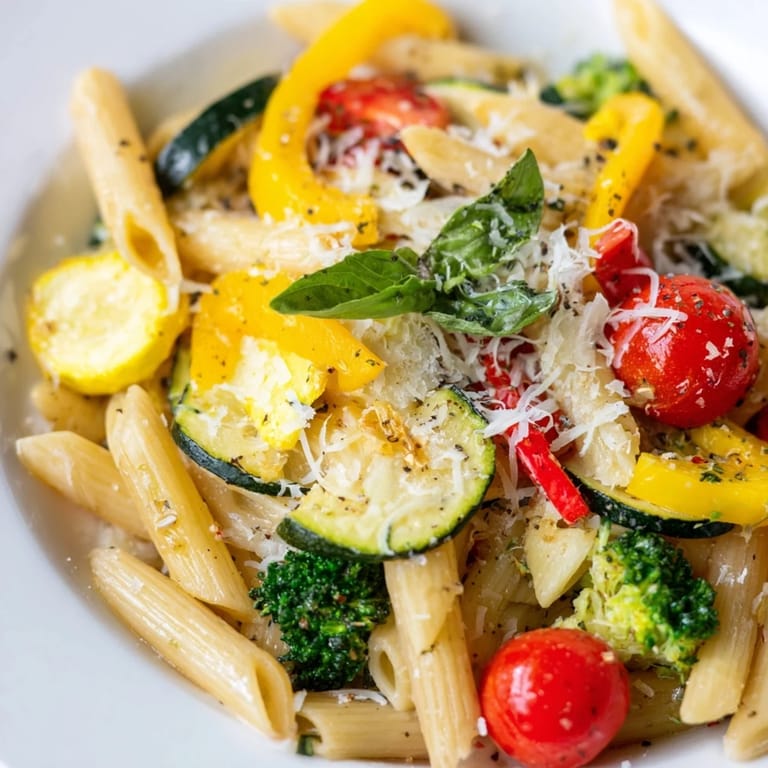
Leftovers keep well in an airtight container in the fridge for up to three days, though the vegetables will soften a bit as they sit. I like to reheat portions in a skillet over medium heat with a splash of water or broth to loosen the pasta, which brings back some of the original texture. You can also enjoy it cold as a pasta salad, dressed with a little extra olive oil and a squeeze of lemon, which I have done more than once for a quick lunch at my desk.
- Store in an airtight container and refrigerate within two hours of cooking to keep it fresh.
- Reheat gently in a skillet rather than the microwave to avoid drying out the pasta.
- If serving cold, brighten it up with a drizzle of olive oil, fresh herbs, and a pinch of salt before eating.
 Pin It
 This pasta has become my go-to whenever I want something nourishing without a lot of fuss, a dish that feels generous and alive no matter the season. I hope it finds a place in your kitchen the way it has in mine.
Recipe FAQs
- → Can I prepare this dish ahead of time?
You can roast the vegetables up to 2 days ahead and store them in an airtight container. Cook the pasta fresh just before serving, then combine the two components. This makes assembly quick and ensures optimal texture.
- → What vegetables work best as substitutes?
Asparagus, snap peas, mushrooms, eggplant, and green beans are excellent seasonal alternatives. Adjust roasting time based on vegetable size—softer vegetables may need less time than root vegetables.
- → How do I prevent the pasta from sticking together?
Ensure you use salted boiling water and stir the pasta occasionally during cooking. After draining, toss immediately with the warm vegetables and olive oil to prevent clumping.
- → What type of pasta works best for this dish?
Penne, fusilli, or rigatoni are ideal choices as their shapes trap the vegetables and sauce. Whole wheat or gluten-free varieties work equally well and offer additional nutritional benefits.
- → How can I add protein to this vegetarian dish?
Sautéed chicken breast, shrimp, or cooked chickpeas complement this dish beautifully. Add protein during the final tossing step to warm through without overcooking.
- → What wine pairs well with this dish?
Crisp white wines like Pinot Grigio or Sauvignon Blanc pair perfectly with the light, vegetable-forward flavors. The acidity complements the garlic and fresh herbs beautifully.