 Pin It
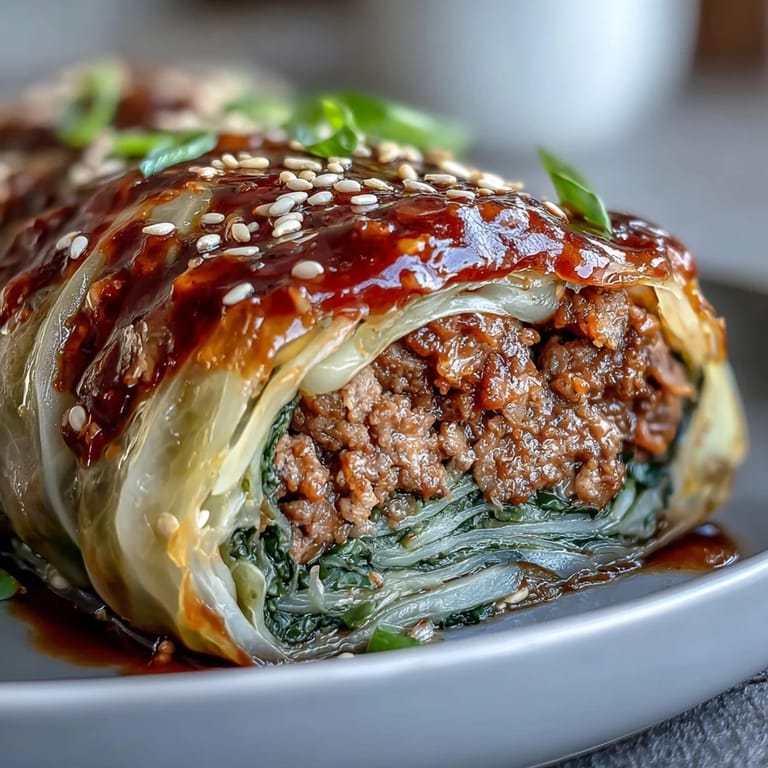
 The first time I tried making Korean cabbage rolls, it was on a weeknight when I craved something both deeply comforting and a little fiery. The aroma that filled my kitchen — the sweet scent of ginger mixing with gochujang — instantly caught the attention of my neighbor who stopped by to ask what was cooking. That moment set the tone: this dish doesn’t just please the cook, it draws people in. It’s a meal best enjoyed with good company and casual chatter. Rolling the cabbage leaves was admittedly fiddly at first, but by my third one, I felt oddly meditative, hands sticky with sesame oil and spice.
I clearly remember cooking these cabbage rolls when my friend Mina came over, sleeves rolled up, ready to help. We laughed while trying (and failing) to make perfectly uniform rolls, but decided those lopsided ones tasted just as wonderful. Mina taught me not to fret about symmetry, and instead to focus on brushing every roll with a little extra sesame oil. That little moment turned our dinner into a memory. I think this recipe is best made shoulder to shoulder, even if you're just sharing stories over the steaming pot.
Ingredients
- Napa cabbage: Seek out a large, fresh head so you can peel off generous, unbroken leaves; blanching turns them soft and rollable in seconds.
- Ground beef: The real magic comes from marbling; don’t skimp on a little fat for juicy, flavorful filling.
- Green onions: Their gentle bite and color keep the filling fresh, so slice them up just before mixing.
- Garlic: A couple of cloves, finely minced, deepen the savory base; use a microplane for an even distribution.
- Carrot: Grate it finely — its sweetness mellows the spice and adds a subtle crunch after steaming.
- Fresh ginger: Use the edge of a spoon to peel it, and grate liberally for peppery warmth throughout the filling.
- Gochujang (Korean chili paste): This brings unmistakable Korean depth and gentle heat — taste your filling as you go to hit your preferred spice level.
- Soy sauce: Go for a good-quality one, as it’s your main source of salt and savoriness.
- Sesame oil: Just a splash enriches both the filling and the finished rolls; buy toasted for a bigger flavor punch.
- Sugar: Just a touch to balance the chili and bring out the beef’s flavor.
- Black pepper: A pinch adds subtle warmth that lingers in the background.
- Toasted sesame seeds: These add a layer of crunch and aroma on top of the rolls and in the dip — toast them yourself for even more fragrance.
- For the dipping sauce: Soy sauce, rice vinegar, gochugaru, sesame oil, honey, garlic, and toasted sesame seeds combine for an irresistible blend; adjusting the vinegar or honey can totally change its personality.
Tired of Takeout? 🥡
Get 10 meals you can make faster than delivery arrives. Seriously.
One email. No spam. Unsubscribe anytime.
Instructions
- Prep the Cabbage:
- Bring a big pot of salted water to a rolling boil, then dunk in your cabbage leaves for a quick spa — just long enough to turn flexible but still cling to their color. Run them under cold water, then gently blot away extra moisture so they’re ready to wrap.
- Make the Filling:
- Add ground beef, onions, garlic, carrot, ginger, gochujang, soy sauce, sesame oil, sugar, black pepper, and sesame seeds to a big bowl. Use your hands to mash, squish, and blend until the mixture holds together and smells spicy-sweet.
- Stuff and Roll:
- Lay out a cabbage leaf, shiny side down; scoop up a generous ball of filling and set it near the base. Fold in the sides, then roll it up tightly like a burrito — a little messy at first, but you’ll soon find your rhythm.
- Steam the Rolls:
- Arrange the rolls, seam-side down, into a steamer basket so they’re tucked snugly but not squashed. Steam gently over bubbling water for 15–20 minutes, until the beef is fully cooked and the cabbage is tender.
- Mix the Dipping Sauce:
- While the rolls steam, whisk soy sauce, vinegar, gochugaru, sesame oil, honey, garlic, and sesame seeds in a small bowl; taste and tweak until you want to dip your finger straight in.
- Serve and Enjoy:
- Lift rolls carefully onto a platter while they’re still piping hot, and offer plenty of dipping sauce on the side — extra napkins encouraged.
 Pin It
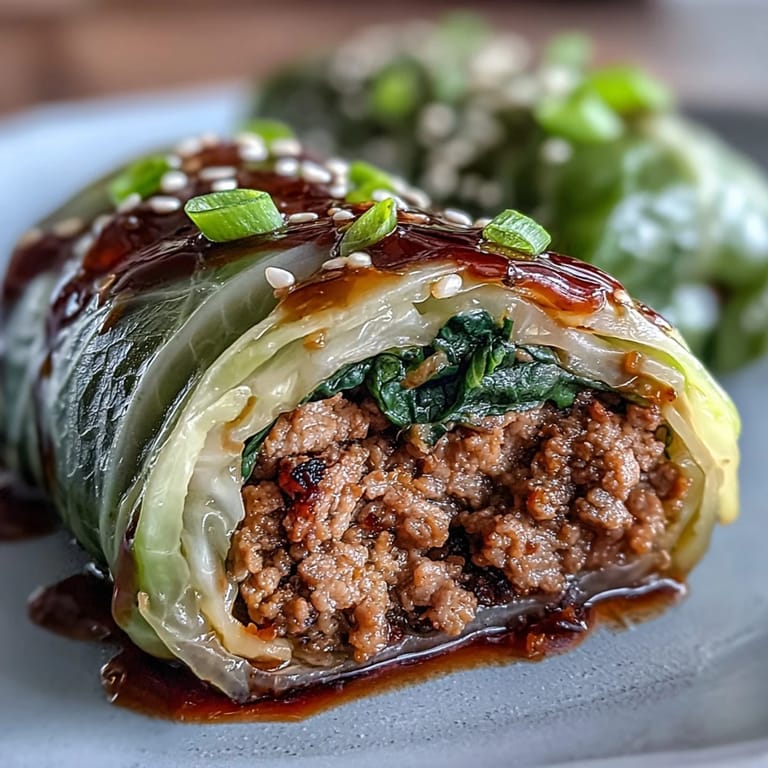
 When I served these cabbage rolls for my cousin’s birthday dinner, everyone hovered around the steaming platter, impatient for a taste. Seeing everyone silently savor the first bites — followed by that satisfied hush — made all the effort worth it. The quiet at the table was the biggest compliment I could have hoped for. Dishes like this turn simple nights into something a little special. In that moment, I realized why I love bringing people together with food.
What to Serve with Cabbage Rolls
I’ve found that these rolls shine especially bright alongside bowls of steamed rice and a few tiny dishes of kimchi or crunchy pickles. Even a simple miso soup rounds out the meal and tames the spice. On really hungry days, I’ll add extra green onions to the rice for brightness. It’s a plate that promises both heat and comfort. Side dishes are your chance to play around and make it a true Korean feast.
A Few Common Mishaps (And How to Fix Them)
If you overstuff the rolls, they’re likely to burst open while steaming — err on the side of a smaller scoop. If the filling tastes bland before cooking, trust your instincts and add an extra spoonful of gochujang or a trickle of soy sauce. Occasionally, I’ve forgotten to pat the cabbage leaves dry; they get slippery and tough to roll, so take a moment with a kitchen towel before stuffing. Small stumbles always make me appreciate the finished dish more.
Tinkering with the Spice Level
Not everyone at the table always handles heat the same way, so I usually make a batch with slightly less gochujang and gochugaru for spice-shy eaters. Swapping the beef for ground turkey creates a lighter version that still holds plenty of flavor. Sometimes, I’ll tuck thin slices of shiitake mushrooms into the filling for a twist — they add an earthy note that stands up to the chili.
- If you run out of cabbage leaves, try rolling the extra filling in blanched collard greens or swiss chard.
- You can assemble the rolls a few hours ahead and steam them just before serving.
- Always make extra dipping sauce; it somehow disappears faster than you expect.
 Pin It
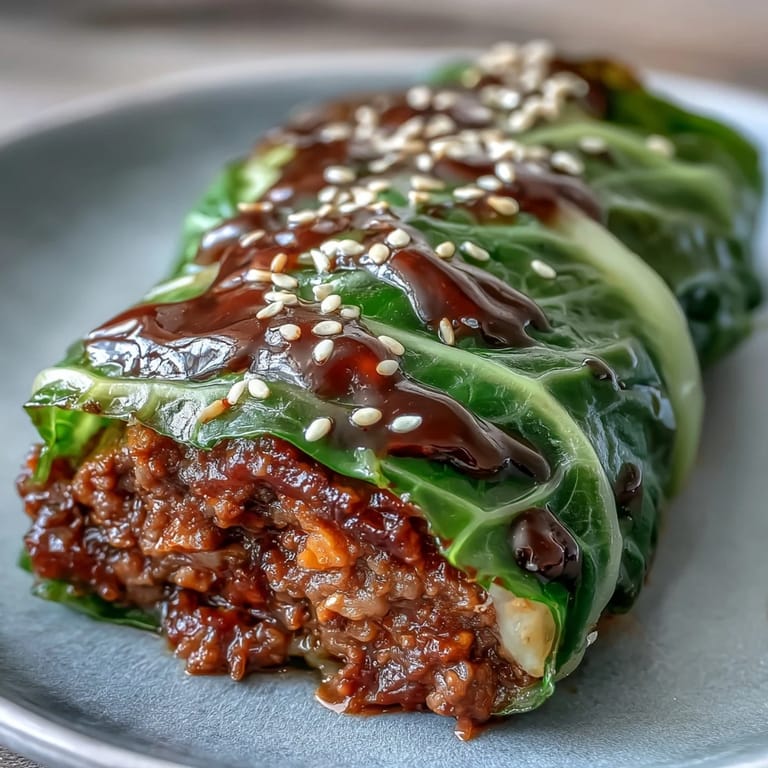
 No matter how tidy or rustic your cabbage rolls turn out, the warm, spicy filling always brings smiles to the table. I hope sharing this recipe helps make your next dinner feel a little more celebratory, just as it does in my home.
Recipe FAQs
- → How long should I blanch the cabbage leaves?
Blanch leaves 1–2 minutes in boiling water until pliable, then cool under cold running water to stop cooking. Pat dry to prevent excess moisture when filling.
- → How can I reduce the heat level?
Cut gochujang and gochugaru quantities in half or omit the flakes. Add more grated carrot and a touch of sugar or honey to balance spice without losing depth.
- → What protein substitutions work well?
Ground pork or turkey both work nicely; pork adds richness while turkey keeps it lighter. Adjust seasoning and fat if using leaner meats to maintain juiciness.
- → How do I prevent wet or soggy rolls?
Thoroughly drain and pat cabbage leaves dry after blanching. Squeeze excess liquid from grated carrot and avoid overfilling each leaf to keep rolls compact while steaming.
- → How long do cooked rolls keep and how should I reheat them?
Store cooled rolls in an airtight container in the fridge for up to 3 days. Reheat gently in a steamer or covered skillet over low heat to preserve texture; avoid microwaving which can make leaves soggy.
- → What should I serve alongside these rolls?
Serve with steamed rice and kimchi for a classic pairing. A simple cucumber salad or pickled radish adds brightness; extra dipping sauce on the side enhances each bite.