 Pin It
 A friend handed me a tin of hojicha powder at a Tokyo airport, insisting it would change my mornings. I was skeptical—another tea trend, I thought—but that first winter, watching the powder transform into silky ribbons under my whisk, I understood the appeal. There's something almost meditative about the ritual, the toasted grain aroma rising with steam, a moment of pause before the day begins.
I made this for my sister on a gray Sunday when she was stressed about work, and watching her shoulders drop as she wrapped her hands around the mug—that's when I realized this drink does something beyond caffeine. It became our thing, the signal that we needed to sit down and actually talk instead of rushing.
Ingredients
- Hojicha powder: This roasted green tea has a deeper, almost nutty flavor compared to regular matcha—it's gentler and forgiving, so even beginners nail the taste. A little goes a long way, and the tin sits pretty on your shelf.
- Hot water: The temperature matters more than you'd expect; too hot and the powder tastes slightly bitter, so aim for that steaming-but-not-bubbling sweet spot around 80°C.
- Milk (dairy or plant-based): Cold milk straight from the fridge works fine, but steaming it changes everything—the heat unlocks sweetness and creates that silky mouthfeel that makes this feel indulgent.
- Sweetener: Honey dissolves smoothly and adds a floral note, but maple syrup brings a deeper complexity if you're in the mood for something richer.
Tired of Takeout? 🥡
Get 10 meals you can make faster than delivery arrives. Seriously.
One email. No spam. Unsubscribe anytime.
Instructions
- Sift and prepare:
- Run the hojicha powder through a fine mesh sieve—this removes the little clumps that won't dissolve and ensures a smooth, silky texture. It takes thirty seconds and makes a real difference.
- Whisk into harmony:
- Pour the hot water over the sifted powder and whisk with intention, using circular motions until the powder dissolves completely and the surface gets slightly frothy. You'll see it transform from gritty to glossy.
- Steam the milk:
- Heat milk in a saucepan over medium heat until wisps of steam rise—don't let it boil or you'll lose that delicate sweetness. Froth it with whatever tool you have; even a regular whisk creates a surprisingly creamy texture with a bit of vigor.
- Combine with care:
- Pour the hojicha base into two mugs, add your sweetener if using, and stir gently. Pour the steamed milk slowly over the tea, using a spoon to hold back the foam layer—this theatrical pour is half the pleasure.
- Crown with foam:
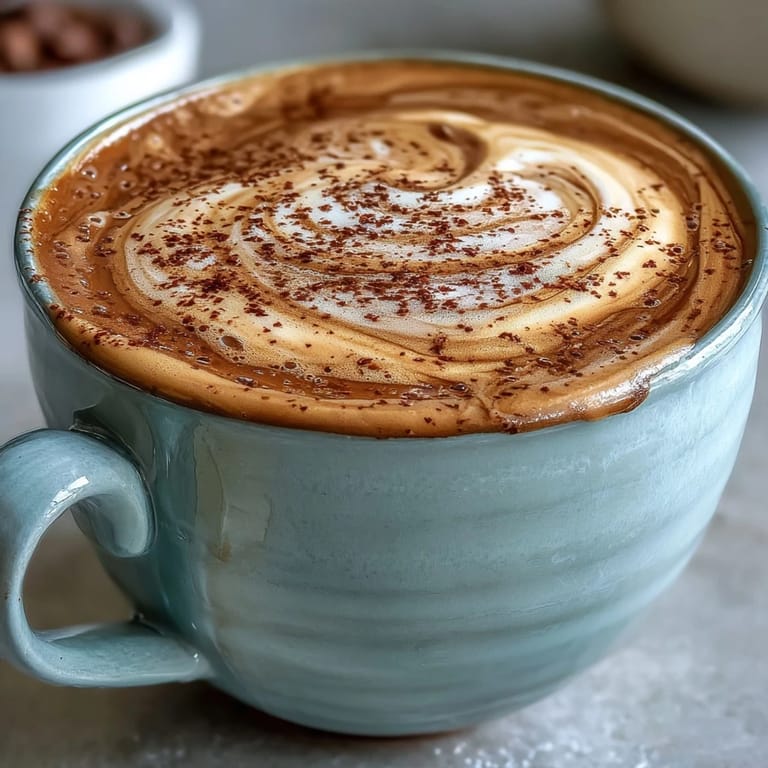
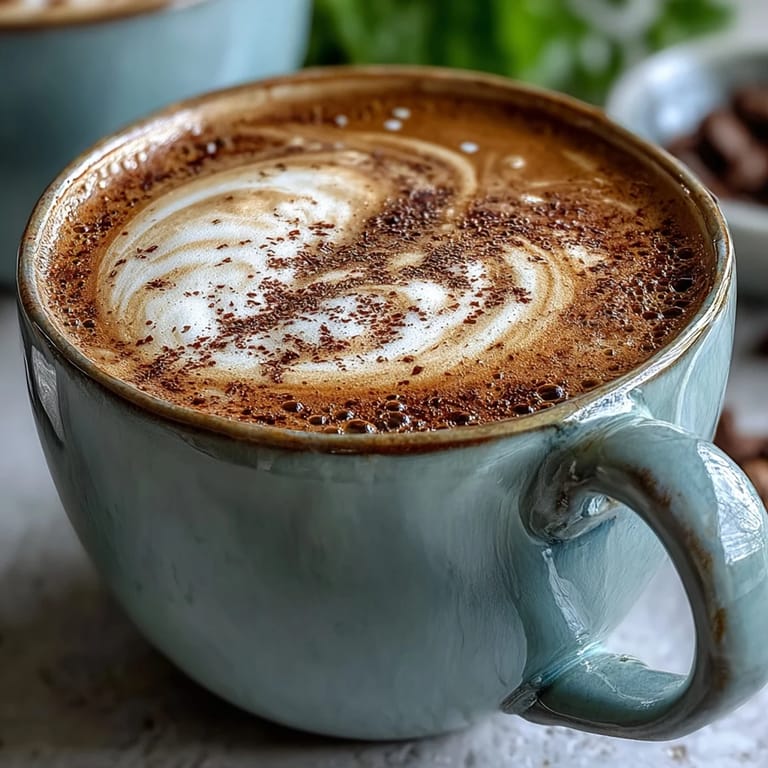
- Top with that reserved foam, and if you're feeling fancy, dust with a tiny pinch of hojicha powder to remind you what's inside. Serve right away while everything is still warm.
 Pin It
 One afternoon, my neighbor smelled this brewing and appeared at my door asking what restaurant I was hiding in my kitchen. We spent an hour talking over two cups, and she's been making it ever since. That's the quiet magic of this drink—it draws people in.
The Art of Frothing Without Equipment
If you don't have a milk frother, don't skip this step. A regular whisk does the job beautifully—pour the hot milk into a tall glass, position your whisk at an angle, and move it fast in circular motions for about a minute. The foam builds from the friction, and you'll hear the sound change as the milk gets airy. It's oddly satisfying, and honestly, more meditative than pressing a button.
Making It Your Own
Once you nail the basic recipe, the variations are endless. A pinch of cinnamon adds warmth, cardamom brings intrigue, and vanilla extract makes it taste almost dessert-like. I've also experimented with different milks—oat milk creates the creamiest foam, while almond milk stays lighter and nuttier, echoing the hojicha's own toasted notes.
Serving and Storage Wisdom
Hojicha powder keeps for months in a cool, dark cabinet, so you can make this on a whim whenever the mood strikes. The drink is best enjoyed fresh, within minutes of pouring, when the temperature and texture are perfect. For those rare days when you want something cold, let the brewed hojicha cool completely, pour it over ice, and add chilled milk—it's refreshing without losing that signature earthy character.
- Keep your hojicha powder in an airtight container away from light to preserve its delicate roasted flavor.
- Whole milk froths best due to its fat content, but any milk works if you have the patience and a good whisk.
- Make this for someone you want to slow down with; the ritual is half the recipe.
 Pin It
 This latte has become my quiet anchor, the small luxury I give myself without guilt. It's proof that the simplest rituals—hot water, powder, milk, patience—can turn an ordinary moment into something worth savoring.
Recipe FAQs
- → What does hojicha taste like?
Hojicha has a distinctive toasty, nutty flavor with caramel notes. It's less bitter and astringent than other green teas because the roasting process reduces caffeine and tannins. The result is a smooth, earthy taste that pairs beautifully with milk.
- → Is hojicha latte caffeinated?
Yes, but with less caffeine than regular green tea. The roasting process reduces caffeine content, making hojicha lattes a gentler option. Each serving contains approximately 20-30mg of caffeine compared to 40-60mg in standard green tea.
- → Can I use other milk alternatives?
Absolutely. Oat milk creates an especially creamy texture and complements the roasted notes. Soy, almond, and coconut milk also work well. Each alternative will slightly alter the final flavor profile, so choose based on your preference.
- → What's the difference between matcha and hojicha?
Matcha is shade-grown green tea ground into a fine powder, resulting in a vibrant green color and grassy flavor. Hojicha is roasted green tea, producing a reddish-brown powder with toasty, caramelized notes. Hojicha is also lower in caffeine and less bitter.
- → Can I make this iced?
Yes, simply brew the hojicha concentrate as directed and let it cool. Pour over ice and add cold milk instead of steamed. You may want to reduce the water slightly to prevent dilution, or prepare hojicha ice cubes in advance.
- → Do I need special equipment?
A bamboo whisk called a chasen helps create the best froth, but a small regular whisk works perfectly. A milk frother is optional if you want extra foam. The basic tools you need are a whisk, small saucepan, and measuring utensils.