 Pin It
 My daughter came home from school one afternoon asking if I could pack her something she could actually eat during a chaotic field trip to the science museum. No mess, no refrigeration drama, just something that wouldn't get squished in her backpack. That's when I started layering hummus into small containers with whatever vegetables we had in the crisper drawer, and honestly, it became her most-requested snack. Now my friends keep asking me how I make something so simple look so intentional.
I remember packing these for a road trip with my niece, who announced three hours in that she was bored with her usual snacks. When I handed her one of these cups, she went quiet for a solid ten minutes, completely focused on the ritual of dunking and crunching. That's when I realized this wasn't just about feeding someone—it was about making eating feel special and intentional, even in a car seat.
Ingredients
- Hummus: Use the good stuff, whether you make it or buy it, because it's the star here and watery hummus makes sad snack cups.
- Carrot: Raw carrots give you that satisfying crunch that keeps kids coming back, and they're naturally sweet enough that people don't need much convincing.
- Cucumber: Choose firm, smaller cucumbers if you can because they're less watery and hold up better when stacked in cups overnight.
- Bell peppers (red and yellow): These add color and sweetness that makes the whole thing feel more like a treat than a health kick.
- Snap peas: These are the sneaky favorite—even picky eaters will eat them whole because they're naturally fun to bite.
- Cherry tomatoes: They roll around a bit, but their burst of flavor makes the hummus taste richer somehow.
- Celery sticks (optional): Classic pairing that adds earthiness if you want something less sweet.
- Jicama sticks (optional): A fun swap that nobody expects and everyone asks about.
Tired of Takeout? 🥡
Get 10 meals you can make faster than delivery arrives. Seriously.
One email. No spam. Unsubscribe anytime.
Instructions
- Wash and prep your vegetables:
- Rinse everything under cold water and pat dry—wet vegetables will make your hummus watery and sad. Cut carrots and cucumbers into sticks about the thickness of your finger, seed the peppers and cut them into strips, trim the snap peas, and leave cherry tomatoes whole.
- Portion out the hummus:
- Divide your hummus evenly among six small containers, using about a quarter cup per cup as your baseline. This is your dipping sauce and foundation, so be generous.
- Arrange vegetables like you're setting a pretty table:
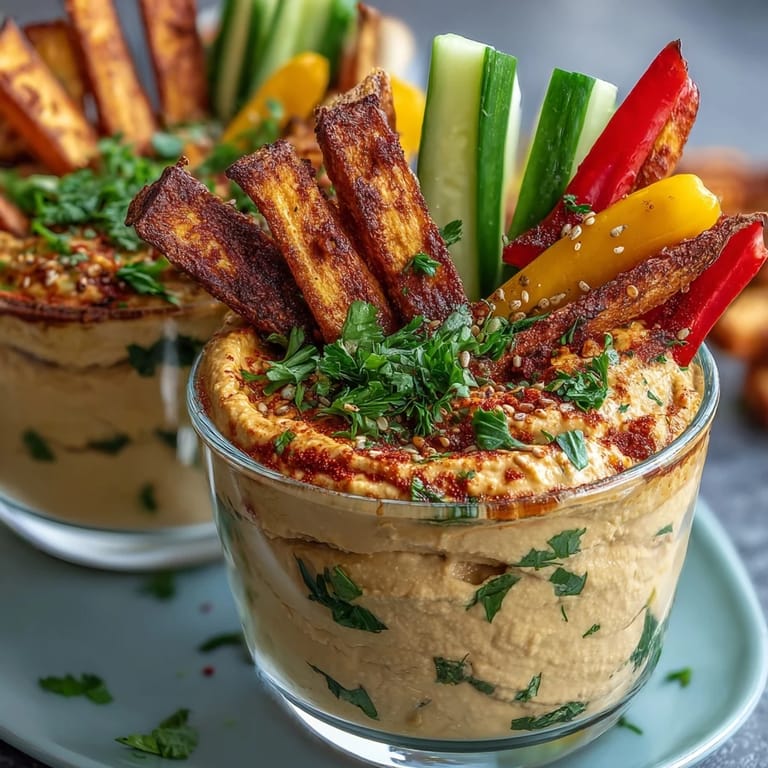
- Stand the vegetable sticks upright in the hummus rather than laying them flat, which keeps them accessible and makes the container look intentional. Mix textures and colors as you go so each cup feels balanced.
- Seal and chill:
- Cover your cups and refrigerate until you're ready to pack them in a lunch bag or backpack. They'll stay fresh and crisp for up to two days if you keep them cold.
 Pin It
 My son's soccer coach actually pulled me aside after practice one Saturday and asked for my snack cup recipe because her kids were refusing to eat anything else she packed. It was one of those surprising moments when you realize something you made almost by accident has somehow become someone else's solution to their problem too.
Flavor Riffs You Can Play With
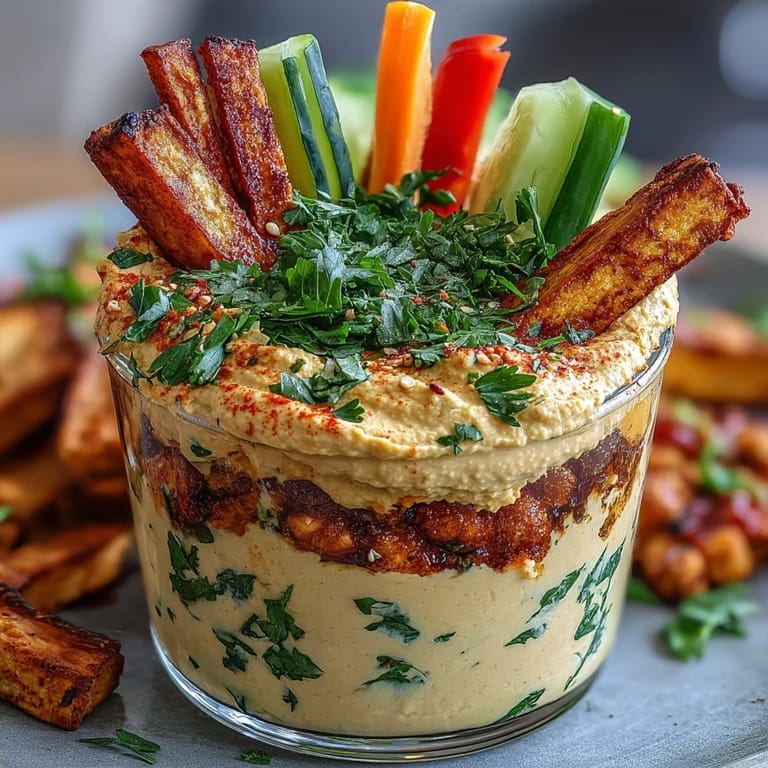
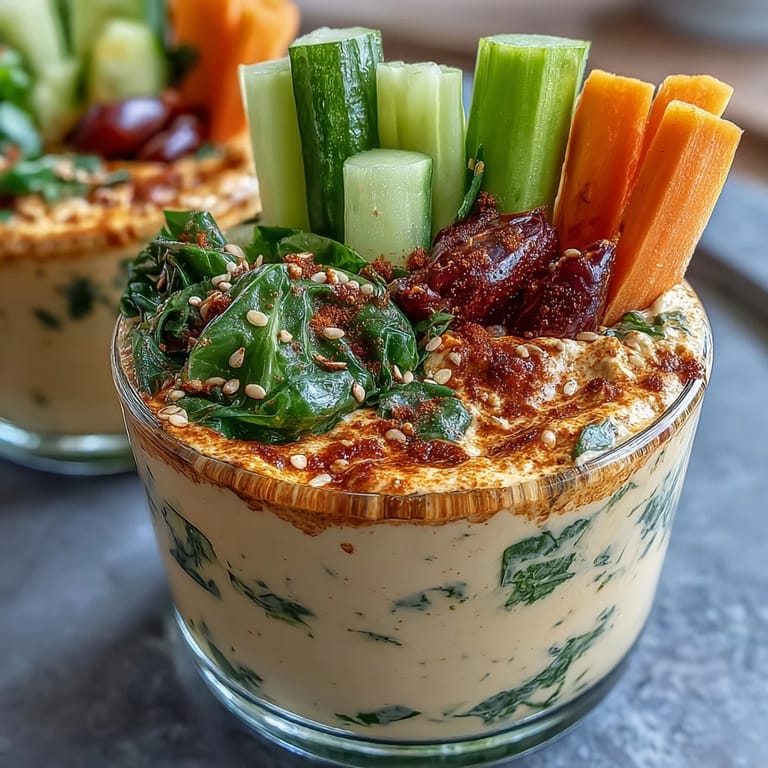
The beautiful part about these cups is that they're a canvas for whatever flavoring mood you're in. Sprinkle paprika or zaatar over the hummus before adding vegetables for a warm, slightly smoky flavor that makes everything taste more sophisticated. A drizzle of good olive oil and a crack of salt transforms the whole experience into something that feels restaurant-quality, which matters when you're eating from a plastic container. I've even mixed a little lemon juice and fresh dill into the hummus for days when I want something brighter and more herbaceous.
Seasonal Swaps That Keep Things Fresh
Summer is when I go heavy on the tomatoes and snap peas, leaning into the crispness. Come fall, I add blanched green beans and radishes for something with a bit more substance and earthiness. Winter doesn't have to mean sad snacks either—roasted cauliflower florets (cooled down) and trimmed Brussels sprout leaves create a heartier version that still works perfectly in these cups. Spring calls for asparagus tips and fresh radishes that taste like the season itself.
Making Them Protein-Packed
If you want these to be more of a complete snack that actually keeps someone full until dinner, there are easy additions that don't complicate things. Baked tofu sticks wedged into the cups add plant-based protein and a bit of chewiness against all the fresh crunch. Cheese cubes (if dairy is on the menu) add richness and protein that makes this feel less like a snack and more like an actual small meal. I've even roasted chickpeas with a little paprika and tucked those in for a version that's somehow crunchy AND substantial.
- Hard boil an egg and tuck it in for extra staying power and protein.
- Add a scoop of tahini mixed into the hummus base for nuttiness and extra fat that keeps you satisfied longer.
- Mix nuts into the hummus itself if allergies aren't a concern in your household.
 Pin It
 These snack cups became my answer to the daily question of what to pack, and somehow they've become everyone else's answer too. There's something powerful about turning simple ingredients into something people actually want to eat.
Recipe FAQs
- → How should I prepare the vegetables for the snack cups?
Wash all vegetables thoroughly and cut them into sticks or bite-sized pieces to ensure easy dipping and portability.
- → Can I use store-bought hummus for these cups?
Yes, store-bought hummus works well; just be sure to check the ingredient labels for allergens if necessary.
- → What are some flavor options to enhance the hummus?
Sprinkling paprika, zaatar, or a drizzle of olive oil over the hummus before adding vegetables can add extra flavor.
- → Are there suitable substitutions for the vegetables listed?
Seasonal or preferred vegetables like blanched green beans, radishes, or broccoli florets can be used as alternatives.
- → How long can the snack cups be stored before eating?
They should be refrigerated and consumed within two days to maintain freshness and quality.
- → Can I add protein to these snack cups?
Yes, consider adding baked tofu sticks or cheese cubes if dietary preferences allow for extra protein.