 Pin It
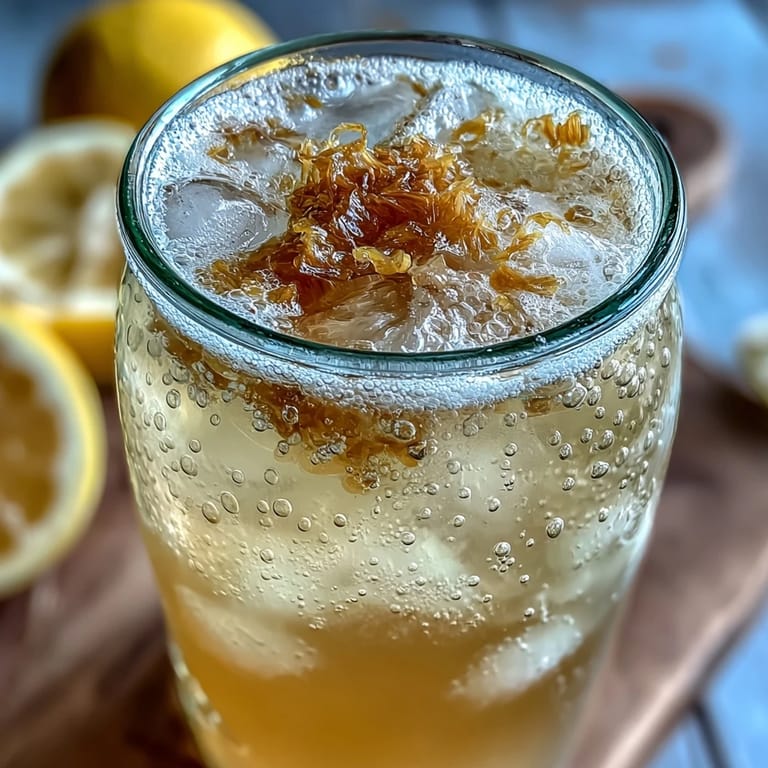
 The sun was streaming through my kitchen window when I first decided to try making sparkling fermented lemonade. The kitchen quickly filled with the scent of fresh lemon zest as I squeezed each fruit, sticky hands and all. My curiosity piqued with each swirl of honey, wondering whether something so simple could really bubble up with life. The whole process felt like an experiment gone pleasantly right. By the time I heard the gentle fizz during the initial taste test, any doubts had completely dissolved.
One afternoon, I brought a chilled bottle to a neighborhood picnic and cracked it open, releasing a cheerful pop that made everyone pause. Watching friends’ faces shift from surprise to delight at the first fizzy sip, I realized this lemonade does more than quench thirst—it sparks conversation and a touch of wonder. That day, we polished off every last drop before the sun dipped behind the trees.
Ingredients
- Fresh lemon juice: Use ripe, juicy lemons and roll them on the counter first—they’ll yield more juice and a vibrant tang.
- Filtered water: Skip chlorinated tap water; filtered water keeps the fermentation healthy and crisp.
- Raw honey: Unpasteurized honey is crucial—it kickstarts fermentation and lends subtle sweetness; gentle warming helps it dissolve if your honey is thick.
- Fresh ginger (optional): A few slices introduce warmth and zing, though go sparingly or it can take over.
- Fresh mint (optional): Adds fragrant herbal notes—lightly bruise the leaves to coax out more flavor.
Tired of Takeout? 🥡
Get 10 meals you can make faster than delivery arrives. Seriously.
One email. No spam. Unsubscribe anytime.
Instructions
- Mix it Up:
- Pour the fresh lemon juice and filtered water into your clean jar or pitcher—the kitchen will suddenly smell of a citrus grove.
- Add Sweetness:
- Spoon in the raw honey and stir patiently until it’s fully dissolved, watching the golden ribbons swirl and vanish.
- Flavor Your Way:
- If you’re feeling adventurous, tuck in ginger slices or a sprig of fresh mint for a bright, aromatic twist.
- Prep for Bubbling:
- Transfer the mixture into a large glass jar with a tight lid, but remember to leave space for those lively fermentation bubbles.
- Start the Ferment:
- Cover loosely or fit your airlock, set it somewhere warm and shaded, and let it rest—the waiting is the hardest part.
- Watch and Taste:
- Begin tasting after 48 hours; when it’s tangy and lightly fizzy, it’s ready to bottle—use clean, swing-top bottles and don’t forget to strain out add-ins if used.
- Chill Out:
- Seal the bottles, refrigerate at least 4 hours, and let the effervescence develop even more before serving.
- Serve and Enjoy:
- Pour over ice, listen to the gentle fizz, and enjoy the probiotic sparkle.
 Pin It
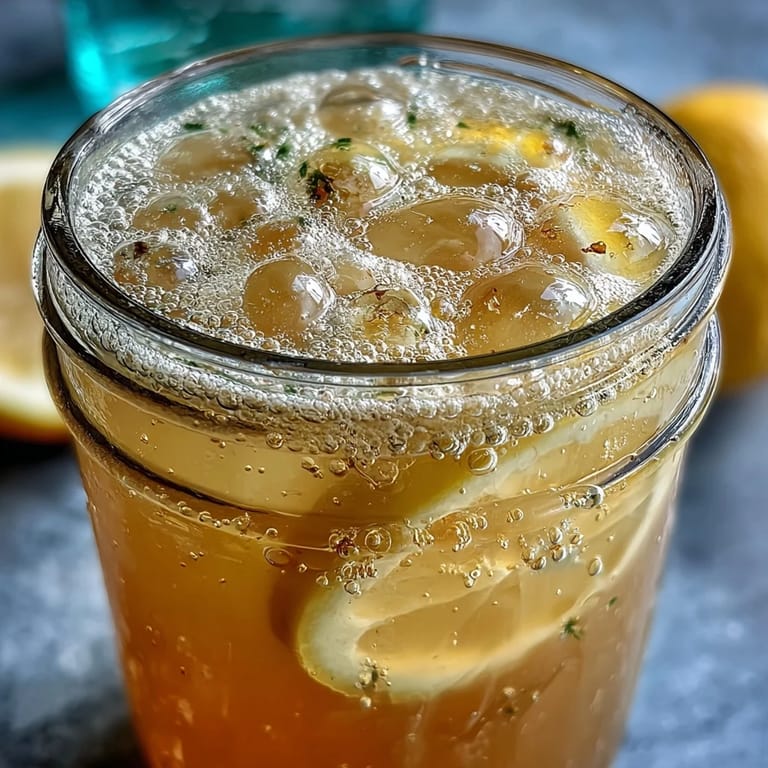
 One rainy morning, I served this lemonade at breakfast, and my partner paused mid-sentence to marvel at the natural bubbles dancing up the sides of the glass. It was just a simple meal, but suddenly we were grinning like kids sharing a science fair project—we both agreed it tasted like summer broke through the clouds.
Sparking Up Fermentation at Home
Fermenting at home makes the kitchen feel alive—sometimes you’ll see tiny bubbles clinging to the side of the jar, or catch a soft hiss when you open the lid. If your batch takes a little longer to fizz, don’t worry; cooler rooms slow things down, so patience pays off. Listen for the gentle pop of fermentation, not a loud bang, which means to open the lid and release pressure. Every batch grows your confidence and curiosity about homemade fermented drinks. It’s honestly addicting to witness such a transformation with so little effort.
Ingredient Swaps and Creative Twists
Berries, a sprig of fresh basil, or even a dash of cracked black pepper can add their own signature to this lemonade. I once tossed in a handful of frozen raspberries, turning the whole batch a delicate blush pink—almost too pretty to drink, except we always do. If you chose to skip additions, the lemon-honey duo still absolutely shines. Give each batch your own spin based on seasonal herbs and fruits at hand. Sometimes the best combinations happen by accident, so don’t be afraid to improvise.
Common Fermentation Worries Solved
Sometimes you’ll wonder if it’s fizzy enough or if you let it ferment a bit too long—it’s normal to be unsure the first couple times. Keep an eye out for cloudiness or a pleasant, tangy aroma; if you see mold or smell anything off, it’s safest to start over. Ginger and mint both mellow a bit during fermentation, but if they seem too bold at first, try using less next time while noting how flavors shift. Opening swing-top bottles slowly is a must—I once greeted my kitchen floor with a lemon geyser from opening too quickly.
- Label your batches with the start date so you never lose track of fermentation times.
- Small glass tasting cups let you sample without disturbing the whole batch.
- When in doubt, trust your senses—the kitchen should smell bright and fresh, never funky.
 Pin It
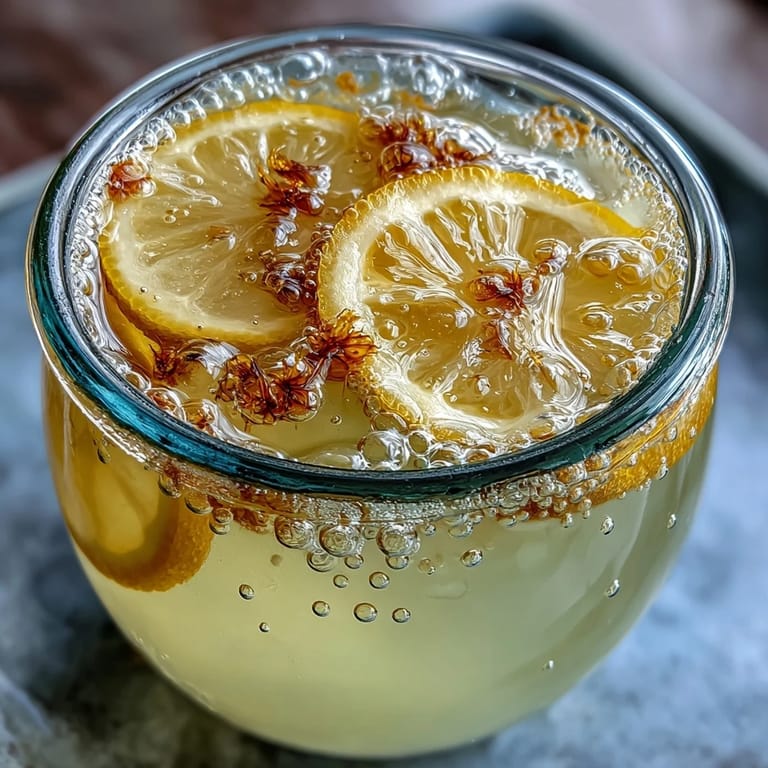
 This lemonade brings a bit of cheerful magic to any table—each glass is a tiny celebration in itself. Here’s to homemade bubbles and the simple delight of letting ingredients transform.
Recipe FAQs
- → How long should I ferment it?
Ferment at room temperature for 2–3 days, tasting daily. For stronger carbonation and tang, extend up to 4 days but monitor pressure closely.
- → Why use raw honey instead of regular honey or sugar?
Raw, unpasteurized honey contains wild yeasts and enzymes that support natural fermentation and contribute complexity to the flavor; pasteurized honey or some sweeteners may not ferment the same way.
- → How can I get more fizz?
Allow slightly longer fermentation, transfer to airtight swing-top bottles with minimal headspace, and keep bottles chilled after reaching the desired effervescence. Open bottles slowly to release built-up gas.
- → Can I add other flavors?
Yes—sliced ginger, fresh mint, berries or a pinch of sea salt enhance depth and aroma. Add these before or during fermentation depending on how pronounced you want the notes.
- → How should I store the finished beverage?
Refrigerate sealed bottles after fermentation; chilling slows fermentation and carbonation development. Stored cold, the flavor and fizz remain best for several weeks, though they will slowly change.
- → Are there any safety concerns?
Open bottles carefully to relieve pressure gradually. Do not serve honey-based fermented drinks to infants under 1 year due to honey safety and allergy considerations.