 Pin It
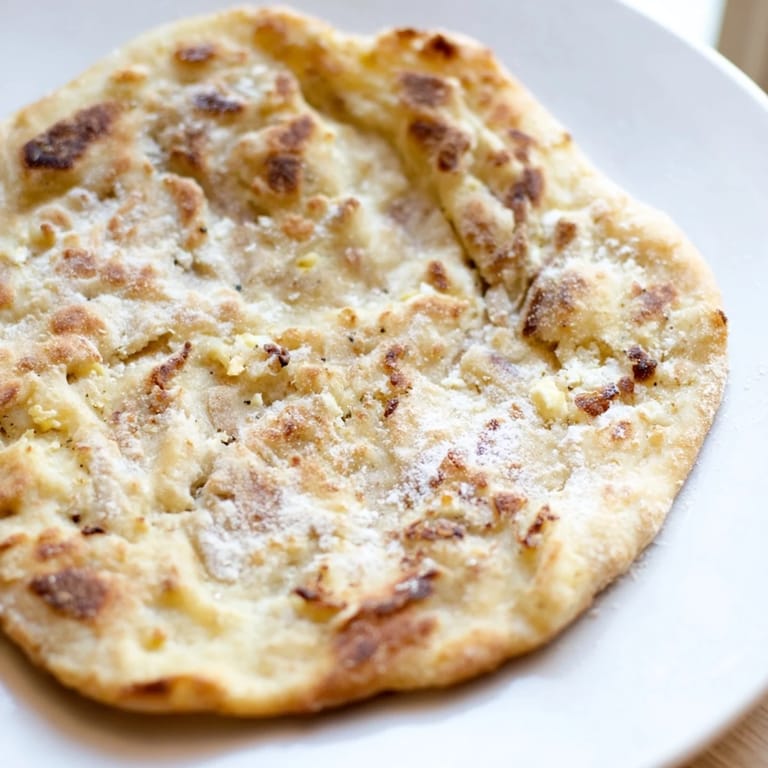
 There's something almost meditative about rolling out flatbread dough, watching it transform from a sticky handful into something smooth and pliable. I discovered cottage cheese flatbreads on an ordinary Tuesday when I had Greek yogurt and cottage cheese that needed using, and the results were so unexpectedly tender and pillowy that I've been making them ever since. The cottage cheese dissolves into the dough, creating this subtle tang and incredible softness that regular flatbreads just don't have. What started as a pantry rescue has become my go-to when I need warm bread that's ready in under thirty minutes.
I'll never forget the moment my housemate came home from work, caught the smell of these cooking, and immediately asked if they could have one still warm from the pan. I spread one with cultured butter and a pinch of fleur de sel, and they devoured it standing at the kitchen counter without saying a word. That's when I knew this recipe was keeper-worthy, because it converted someone who usually skipped the bread course entirely.
Ingredients
- Plain flour: The structure of everything; use the amount by weight if possible because scooping varies wildly and can make your dough too dry.
- Greek yogurt: This adds moisture and tang without needing eggs or water; full-fat Greek yogurt gives the best texture.
- Cottage cheese: The secret ingredient that makes these impossibly soft; it breaks down into the dough and creates little pockets of tenderness.
- Baking powder: A small amount helps the flatbread puff slightly without making it cake-like or requiring yeast patience.
- Fine sea salt: Enhances everything; I always use fine salt here because larger grains don't distribute evenly through the dough.
- Olive oil or melted butter: For cooking; butter gives richer flavor, but olive oil keeps them lighter if that's what you prefer.
Tired of Takeout? 🥡
Get 10 meals you can make faster than delivery arrives. Seriously.
One email. No spam. Unsubscribe anytime.
Instructions
- Mix your dry base:
- Combine flour, baking powder, and salt in a large bowl. This even distribution of salt and leavening is quieter work than it sounds, but it matters for consistent texture.
- Bring it together:
- Add Greek yogurt and cottage cheese, stirring with a spoon until everything starts clumping. The dough will look shaggy at first, but it comes together quickly once you switch to your hands.
- Knead gently:
- Work the dough on a lightly floured surface for just 2 to 3 minutes until it's smooth and barely sticky. Over-kneading makes flatbread tough, so stop as soon as it holds together nicely.
- Portion and shape into balls:
- Divide the dough into 6 equal pieces and roll each one into a ball. This makes rolling them flat much easier and helps them cook evenly.
- Roll thin:
- Using a rolling pin and extra flour as needed, flatten each ball into a round about 5 to 6 millimeters thick. Thinner flatbread crisps faster at the edges while staying tender inside.
- Heat your pan:
- Place a nonstick skillet or cast iron over medium heat and let it warm for a minute until a drop of water sizzles gently. Cast iron holds heat more evenly, but nonstick is more forgiving.
- Brush and cook:
- Lightly brush the hot pan with oil or butter, then lay one or two flatbreads onto the surface. You'll hear them sizzle softly, which is exactly what you want.
- Watch for golden spots:
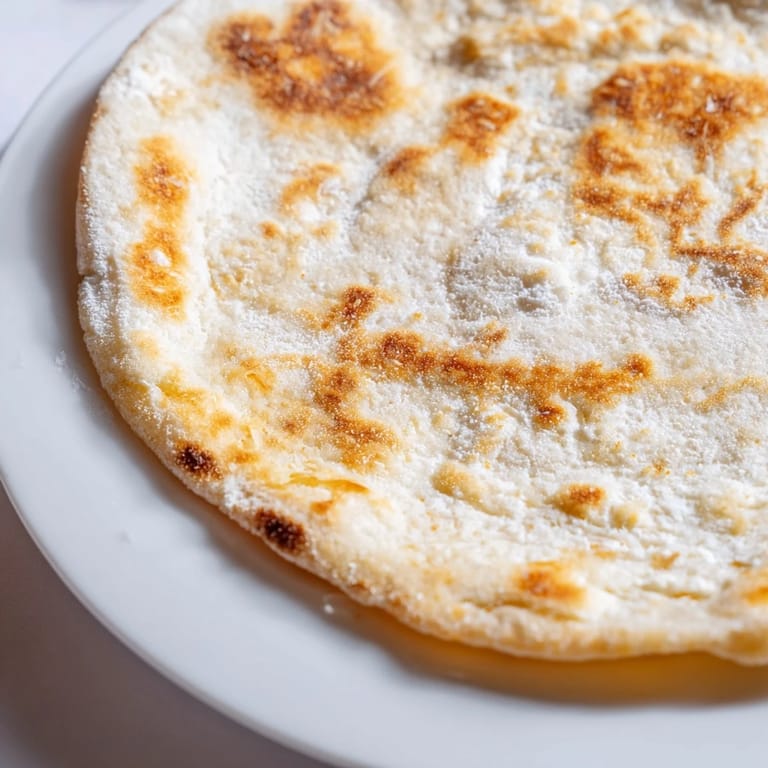
- After 2 to 3 minutes, you'll see golden speckles forming. Flip and cook the other side for another 2 to 3 minutes until the flatbread is cooked through and feels slightly firm.
- Keep them warm:
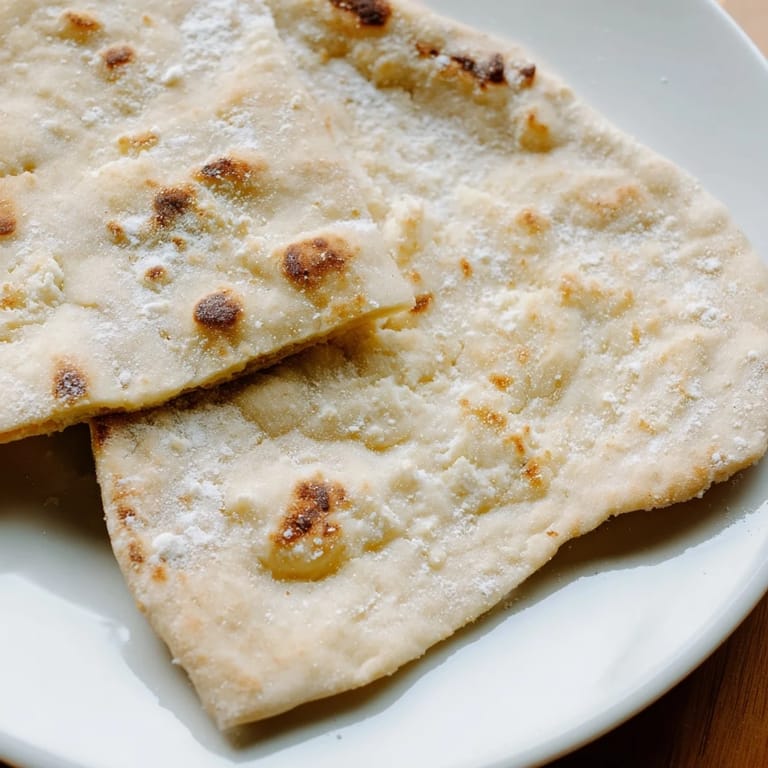
- Transfer each cooked flatbread to a plate and cover loosely with a clean towel. The steam keeps them soft while you finish cooking the rest.
 Pin It
 There was a rainy Saturday when I made these flatbreads alongside a simple lentil soup, and somehow that combination turned an ordinary lunch into something worth pausing for. Food doesn't need to be complicated to feel like a small kindness to yourself.
Flavor Variations That Actually Work
The base recipe is subtle enough to pair with almost anything, but if you want to build flavor directly into the dough, stir in a tablespoon of finely chopped fresh herbs like parsley, chives, or dill before kneading. A small pinch of garlic powder or minced garlic works too, though fresh garlic can sometimes make the dough a bit sticky. I once added both herbs and cracked black pepper, and they disappeared so fast I had to make a double batch the next day.
What to Serve These With
The beauty of these flatbreads is how they work across meals and occasions. I've used them to wrap roasted vegetables and soft cheese, served them alongside curry and dal, spread them with whipped feta and hot honey, and even made them the vehicle for simple tomato and basil. They're equally at home with a dip, dunked into soup, or just warm with good butter and salt.
Storage and Make-Ahead Tips
These flatbreads stay tender for about three days in an airtight container at room temperature, and reheating them in a dry skillet over medium heat brings back that just-cooked texture. You can also freeze them stacked between parchment paper for up to a month, then thaw and pan-fry whenever hunger strikes. I've found that room-temperature flatbreads are actually excellent for wraps, and day-old ones have a slight chewiness that some people prefer.
- Always let cooked flatbreads cool slightly before stacking them, or they'll steam and become gummy.
- If you're reheating a batch, do it just before serving so they're warm when they reach the table.
- A dry pan gives the best texture for reheating, but a tiny brush of butter makes them taste even better.
 Pin It
 These flatbreads have become the kind of recipe I reach for when I want something warm and satisfying without overthinking it. They're proof that simple ingredients treated with gentle attention can become something worth remembering.
Recipe FAQs
- → What makes the flatbread tender?
The addition of cottage cheese and Greek yogurt creates a moist dough that yields a soft, tender flatbread with a subtle tang.
- → Can I add herbs or spices to the dough?
Yes, finely chopped herbs like parsley, chives, or dill, as well as minced garlic, can be mixed into the dough for enhanced flavor.
- → How should these flatbreads be cooked?
Cook the rolled dough rounds in a lightly oiled skillet or cast iron pan over medium heat for 2–3 minutes per side until golden spots appear.
- → Can the flatbreads be stored and reheated?
Store flatbreads in an airtight container and reheat them in a dry pan to maintain their texture and warmth.
- → What ingredients are used in the dough?
The dough combines plain flour, baking powder, fine sea salt, Greek yogurt, and cottage cheese for a balanced texture and flavor.