 Pin It
 There's a particular afternoon in November when my apartment smells like cardamom and steam, and I realize I've been standing at the stove longer than necessary, just breathing it in. That's when cardamom chai latte became less of a recipe and more of a ritual, something I make when the weather turns and I need to feel held by warmth. My neighbor mentioned once that the smell from my kitchen reminded her of her grandmother's kitchen in Delhi, and somehow that stuck with me. Now every cup carries that small connection to something bigger than just tea and milk.
I made this for my friend Marcus on a grey Sunday morning, and watching his face when he took that first sip—the slight surprise, then the satisfied nod—that's when I knew this recipe had staying power. He asked for the instructions before he even finished the cup, and now he texts me photos of his homemade versions. Small victories taste better when they're shared, and this chai has a way of making ordinary moments feel like an occasion.
Ingredients
- Black tea bags (Assam or Darjeeling, 2 bags): These darker teas have enough body to stand up to the spices without getting bullied into submission—lighter teas will disappear into the background.
- Cardamom pods (4 green, lightly crushed): Crush them gently with the side of a knife just before adding; the oils release immediately and that's when the magic happens.
- Cinnamon stick (1): One stick is enough; two will turn this into cinnamon tea with chai as a supporting player, and that's not what we're after.
- Whole cloves (4): Count these carefully because cloves have a strong personality—too many and they'll overpower everything else.
- Black peppercorns (4): They add a subtle heat that lingers at the back of your throat, which sounds odd until you taste it and understand.
- Fresh ginger (1-inch piece, thinly sliced): Fresh is non-negotiable here; powdered ginger won't give you that bright, peppery quality that makes chai taste alive.
- Honey or sugar (2 tablespoons): Start with 2 tablespoons and adjust after tasting—some days you want it sweeter, some days the spices are enough.
- Whole milk or plant-based alternative (1½ cups): Whole milk froths beautifully and adds a richness, but oat milk comes surprisingly close if you're going dairy-free.
- Water (2 cups): Use filtered water if your tap water tastes heavily chlorinated; you'll taste the difference in the final cup.
Tired of Takeout? 🥡
Get 10 meals you can make faster than delivery arrives. Seriously.
One email. No spam. Unsubscribe anytime.
Instructions
- Start the spiced base:
- Bring water to a rolling boil in a small saucepan, then add the cardamom, cinnamon, cloves, peppercorns, and ginger all at once. The kitchen will fill with warmth and fragrance in seconds—pay attention to that smell, because it's your cue that everything is working.
- Let it simmer and develop:
- Reduce the heat and let it bubble gently for 5 minutes, watching the water deepen slightly in color as the spices surrender their flavors. Resist the urge to rush this step; these 5 minutes are where patience becomes taste.
- Introduce the tea:
- Drop in the tea bags and let them steep for exactly 3 minutes—longer and the tea gets bitter, shorter and it feels thin and weak. You'll notice the concentrate becoming darker and more aromatic as the tea unfolds.
- Strain with intention:
- Pour everything through a fine mesh strainer into a heatproof pitcher, pressing the tea bags gently to extract every bit of flavor. Discard the solids and stir in your honey or sugar while the concentrate is still hot so it dissolves completely and evenly.
- Heat the milk separately:
- In another saucepan, warm your milk until small wisps of steam rise from the surface but before it starts to boil—this is the sweet spot for silky texture. If you're feeling fancy, whisk it vigorously or use a frother for a few seconds to create a light foam on top.
- Bring it together:
- Divide the spiced concentrate between two mugs, then pour the hot milk over it, watching the colors blend into something warm and inviting. A gentle stir brings everything into harmony.
- The final touch:
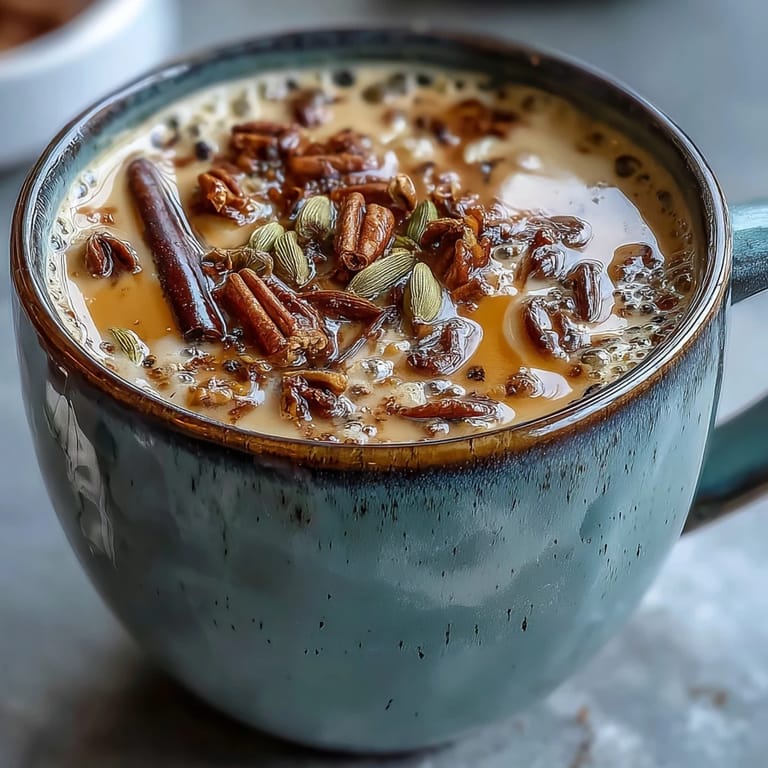
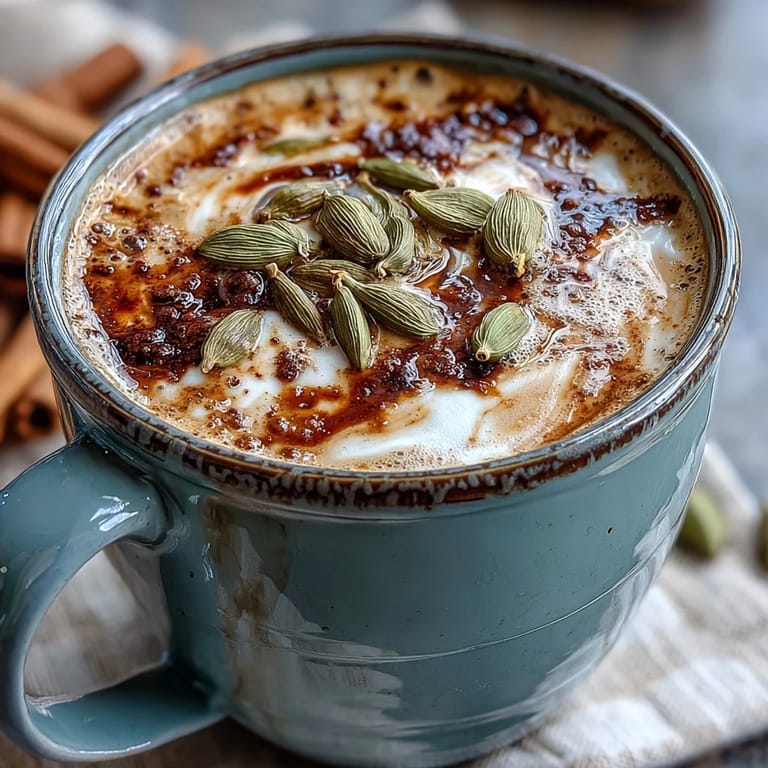
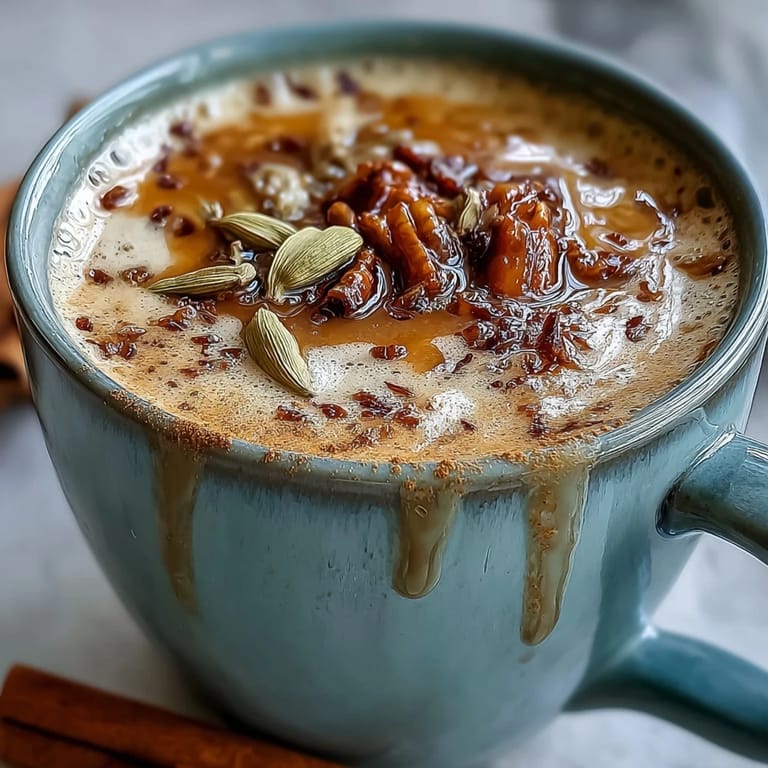
- If you have ground cinnamon or cardamom on hand, dust a tiny pinch on top of each mug before serving immediately while everything is still steaming.
 Pin It
 There's something almost meditative about the moment you pour hot milk into spiced tea and watch the colors swirl together. I've found myself doing this on mornings when I need to think through something difficult, or on afternoons when the world feels too loud. The chai doesn't solve anything, but it creates a small island of calm where thinking becomes easier.
Why Fresh Spices Matter More Than You Think
I learned this the hard way after making a batch with cardamom that had been sitting in my spice cabinet for two years. The chai tasted flat, almost dusty, and I couldn't figure out why until my mom asked when I'd bought the spices last. Whole spices kept in an airtight container away from light and heat will stay vibrant for about a year; after that, they're still technically fine to eat but they're not going to make magic. Now I buy smaller quantities more frequently, and the difference is noticeable enough that I almost feel guilty serving the old-spice version to myself.
The Milk Question and What Works Best
I've tested this with whole milk, 2%, almond, oat, and soy milk, and each one changes the personality of the chai in subtle ways. Whole milk creates a classic, almost creamy richness that feels indulgent; oat milk adds a gentle sweetness and thicker texture that some people prefer; almond milk is lighter but can make the spices taste sharper; soy milk froths beautifully if you want that cafe-style experience at home. There's no wrong choice, only different moods depending on what you're craving. If you're plant-based or lactose-intolerant, don't feel like you're settling—oat milk especially transforms this into something equally worth making.
Making It Your Own and Variations to Try
Once you've made this version a few times and it feels comfortable in your hands, start playing with it. Some people add a pinch of nutmeg or a star anise pod; others swear by a small piece of dried rose petal or a touch of vanilla extract; I once added a teaspoon of cardamom-infused honey instead of regular honey and it elevated everything. The base is strong enough to handle experimentation, and the wonderful part is discovering what your perfect version looks like. The flexibility of this recipe is one of its hidden gifts.
- Try adding 1/2 teaspoon of vanilla extract or a pinch of nutmeg to find your signature version.
- Cold brew the concentrate the night before and serve it over ice with cold milk for a chai latte that works in warmer months.
- Double the batch and store the concentrate in the refrigerator for up to 3 days so you can make quick chai whenever the craving hits.
 Pin It
 This chai has become the drink I turn to when I need a moment that tastes like comfort. It's waiting for you on those days too.
Recipe FAQs
- → What type of tea is best for this chai?
Strong black teas like Assam or Darjeeling enhance the rich and spicy flavors, providing a robust base for the chai.
- → Can I use non-dairy milk alternatives?
Absolutely, almond, oat, or soy milk work well and complement the spices for a creamy texture without dairy.
- → How do I adjust the sweetness or spice levels?
Modify the amount of honey or sugar for sweetness and vary the quantity of cardamom, cinnamon, or ginger to suit your taste preferences.
- → What tools are recommended for making this chai latte?
A small saucepan for simmering, a fine mesh strainer to remove solids, and a whisk or milk frother to create creamy milk texture are helpful.
- → How can I garnish the chai latte?
Add a pinch of ground cinnamon or cardamom on top for an extra aromatic touch and attractive presentation.
- → Is this beverage suitable for gluten-free diets?
Yes, the ingredients are naturally gluten-free, but checking sweetener labels is advised to avoid cross-contamination.