 Pin It
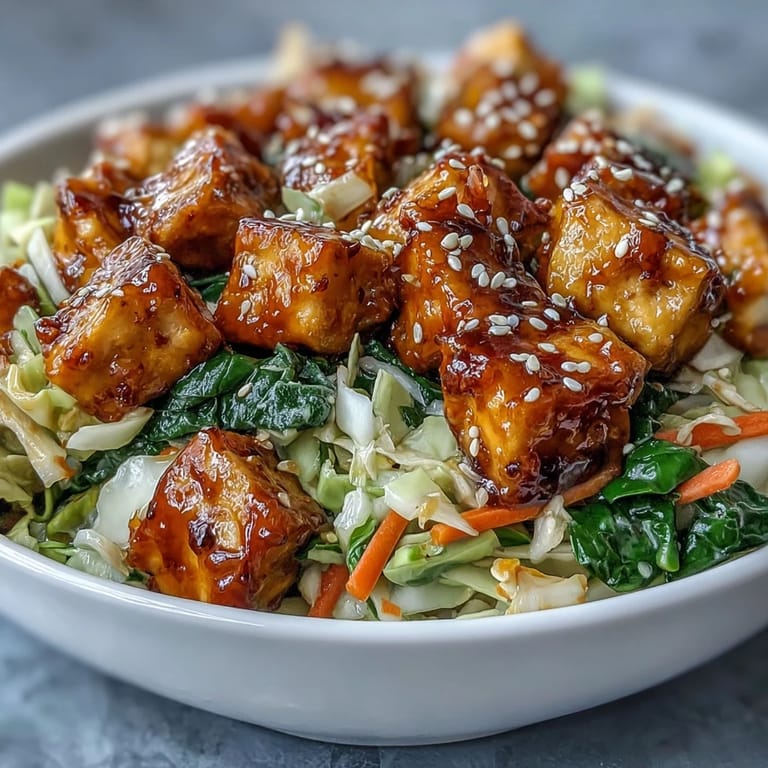
 There's something about the sizzle of tofu hitting hot oil that made me realize plant-based cooking doesn't have to feel like a compromise. I was craving that crispy-meets-tender textural contrast you get from a proper egg roll, but wanted something faster and less fussy. What emerged from my wok that evening was this bowl—no wrapping required, all the flavor, and honestly, I've made it more times since than the original inspiration.
I made this for my roommate on a rainy Tuesday when she mentioned feeling exhausted by her usual rotation of meals, and watching her face light up after the first bite—that moment when good food becomes a small kindness—reminded me why I love cooking for people. She asked for the recipe before she even finished eating.
Ingredients
- Extra-firm tofu, 400 g (14 oz), pressed and cubed: Pressing is non-negotiable; it removes moisture so the tofu actually crisps up instead of steaming. I learned this the hard way after several sad, soggy attempts.
- Cornstarch, 1 tbsp: This light coating is your secret weapon for golden, crispy edges without any fuss or deep frying.
- Neutral oil, 1 tbsp: Use something with a high smoke point like sunflower or canola so the heat doesn't break down the oil and make everything taste off.
- Green cabbage, 2 cups, thinly sliced: The foundation of the whole bowl; keep it thin so it picks up the sauce and wilts just enough to stay tender-crisp.
- Kale, 1 cup, stemmed and thinly sliced: Those stems are fibrous and tough, so removing them takes one awkward vegetable out of the equation.
- Spinach, 1 cup, roughly chopped: It wilts down to almost nothing, so don't be shy with the amount.
- Carrot, 1 large, julienned: Cut them thin and uniform so they cook evenly and add that subtle sweetness and crunch the whole bowl needs.
- Green onions, 3, sliced: Use both the white and green parts—the whites go in early for cooking, the greens at the end for fresh bite.
- Garlic, 2 cloves, minced: Minced finer than you think necessary; it distributes better and cooks faster.
- Fresh ginger, 1 tbsp, grated: Fresh ginger blooms when it hits hot oil, so don't skip this or reach for powder as a substitute.
- Low-sodium soy sauce or tamari, 3 tbsp: Tamari is the move if you're keeping this gluten-free, and honestly, it tastes just as good.
- Rice vinegar, 1 tbsp: The brightness that keeps everything from tasting one-note and heavy.
- Toasted sesame oil, 1 tbsp: This is the umami bomb; it's why the whole bowl tastes so much deeper than the sum of its parts.
- Maple syrup or agave, 1 tsp: Just enough sweetness to balance the savory elements without making it dessert-y.
- White pepper, 1/2 tsp: It adds warmth without the visual speckles of black pepper, keeping the bowl looking clean and intentional.
- Sesame seeds, 1 tbsp: Toast them lightly in a dry pan first if you have time; it wakes up their nutty flavor.
- Chili flakes, optional: Add these if you want a quiet heat that builds rather than hits hard.
Tired of Takeout? 🥡
Get 10 meals you can make faster than delivery arrives. Seriously.
One email. No spam. Unsubscribe anytime.
Instructions
- Press and cube your tofu:
- Wrap the block in paper towels or cloth and set something heavy on top for at least 15 minutes—a cast iron skillet works perfectly. This step determines whether you get crispy edges or a rubbery disappointment, so treat it like it matters.
- Coat with cornstarch:
- Toss the cubes gently so every side gets a light, even coating; this is what gives you that golden exterior. Don't overdo it or you'll end up with a weird flour-like residue instead of crispiness.
- Get the pan screaming hot:
- Heat your oil over medium-high until it shimmers and moves like water, then add the tofu. It should sizzle immediately—that sound means you're about to get good results.
- Pan-fry until golden:
- Let each side sit undisturbed for about 2 minutes so it develops color and texture instead of getting jostled around. Spend 6-8 minutes total rotating it until most sides are golden, then transfer to a plate.
- Build the aromatics:
- In the same pan (don't wash it; all those browned bits are flavor), add garlic, ginger, and the white parts of the green onions. Stir constantly for about a minute until your kitchen smells like something amazing is about to happen.
- Add the hearty vegetables:
- Toss in cabbage, kale, and carrot, stirring constantly for 3-4 minutes. You want them tender enough to taste cooked but still vibrant and slightly firm when you bite them.
- Wilt the spinach:
- Add it at the very end and stir just until it collapses into the pan; this takes about a minute. Spinach that's been cooked to death turns mushy and tastes like sadness.
- Make the sauce:
- While everything cooks, whisk soy sauce, rice vinegar, sesame oil, maple syrup, and white pepper together in a small bowl. Taste it on a spoon; it should make you want to dip everything in your kitchen into it.
- Bring it all together:
- Return the tofu to the pan, pour the sauce over everything, and toss gently for about 2 minutes until every piece is coated and heated through. The sauce should cling to the vegetables and create a silky, savory coating.
- Finish and serve:
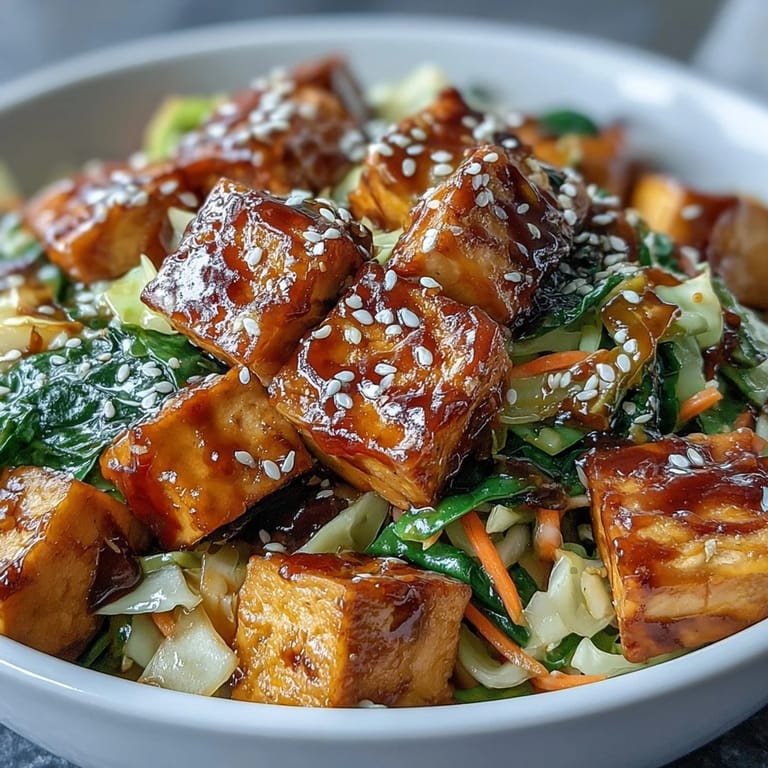
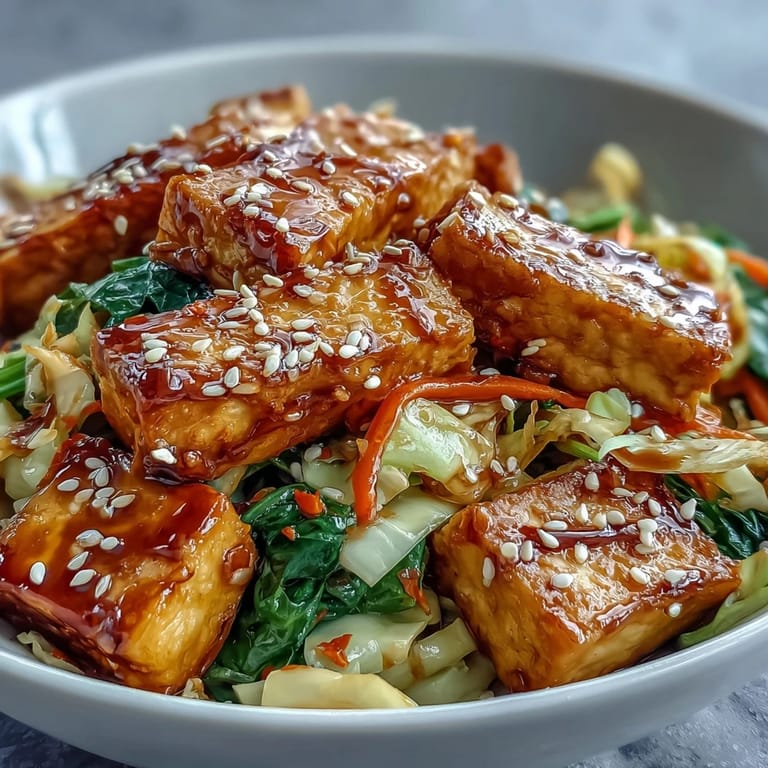
- Transfer to bowls and scatter sesame seeds, extra green onion greens, and chili flakes on top while everything's still hot. The contrast between the warm bowl and cool garnishes is part of what makes this work.
 Pin It
 My partner came home one night to find me standing at the stove with this exact bowl sizzling away, and he asked what smelled so good—not because it's particularly exotic, but because good technique and fresh ingredients create an aroma that just says home. That's the real magic here.
Why This Bowl Works as a Meal
The beauty of this dish is that it's built on the principle of balance: you've got protein from the tofu, fiber and nutrients from three different greens, natural sweetness from the carrot, and umami depth from the sauce that makes everything taste intentional. It's the kind of meal that satisfies without feeling heavy, and because it's naturally plant-based, you never hit that post-lunch energy crash. I've eaten this for dinner and felt energized instead of sluggish, which honestly was a revelation.
Making It Your Own
The base recipe is solid, but it's also forgiving enough to bend toward what you have in your kitchen. Swap bok choy or napa cabbage in for the kale if that's what you grabbed, add crushed peanuts for extra crunch, or throw in some crispy wonton strips if you're not worried about gluten. The sauce is the through-line that holds everything together, so as long as you keep that balanced, you're in good shape.
Scaling It Up or Making It Stretch
This recipe serves four people as a standalone main dish, but the proportions are easy to adjust depending on your crowd. If you want to stretch it further without losing the integrity of the dish, serve it over cooked brown rice, quinoa, or rice noodles—it absorbs the sauce beautifully and transforms it into something heartier without changing the core flavors. I've also made double the recipe and frozen individual portions in glass containers; it reheats perfectly in a pan over medium heat with a splash of water if it seems dry.
- For four servings as a light meal, serve it as-is in bowls and follow it with fresh fruit or something cold.
- For a heartier version, cook 1 cup of brown rice or quinoa separately and divide it among the bowls before topping with the tofu and vegetables.
- Leftovers keep in the fridge for up to three days and taste even better the next day as flavors meld together.
 Pin It
 This bowl became part of my regular rotation because it proves that plant-based cooking doesn't require special techniques or hard-to-find ingredients—just respect for what you're working with and a willingness to taste as you go. Make it once, and you'll understand why it keeps showing up on my table.
Recipe FAQs
- → How do I get crispy tofu?
Press the tofu firmly to remove excess moisture, then coat cubes in cornstarch before pan-frying. This creates a golden, crispy exterior that holds up well in the sauce.
- → Can I make this gluten-free?
Yes, simply substitute tamari for soy sauce. All other ingredients are naturally gluten-free, making this an easy gluten-free weeknight meal.
- → What vegetables work best?
The combination of green cabbage, kale, spinach, and carrots provides varied textures and colors. You can swap in bok choy, napa cabbage, or snap peas depending on what's available.
- → How long does this keep?
Store in an airtight container for up to 4 days. Reheat gently in a skillet or microwave. The tofu may soften slightly but will still be delicious.
- → Can I add grains?
Absolutely. Serve over brown rice, quinoa, or rice noodles for a more substantial meal. This also stretches the servings and adds extra fiber.
- → Is this spicy?
The base dish is mild with just white pepper for warmth. Add chili flakes as a garnish to adjust the heat level to your preference.