 Pin It
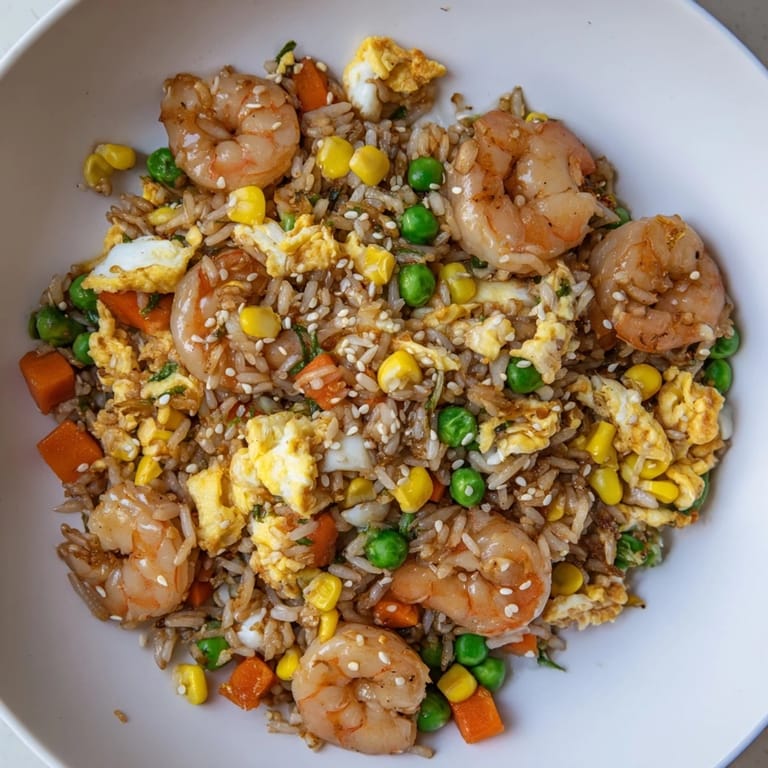
 I discovered this shrimp fried rice hack on a Tuesday night when I was genuinely out of ideas, standing in front of my fridge at 6:45 PM with hungry people arriving at 7:30. Turns out, it's the kind of recipe that doesn't announce itself as special—you just make it, taste it, and suddenly realize you've been overcomplicating fried rice your entire life. The secret is speed, cold rice, and letting each ingredient have its moment before they all come together. Now it's become my weeknight lifeline, the dish I make when I want to feel like I'm delivering something impressive without the stress.
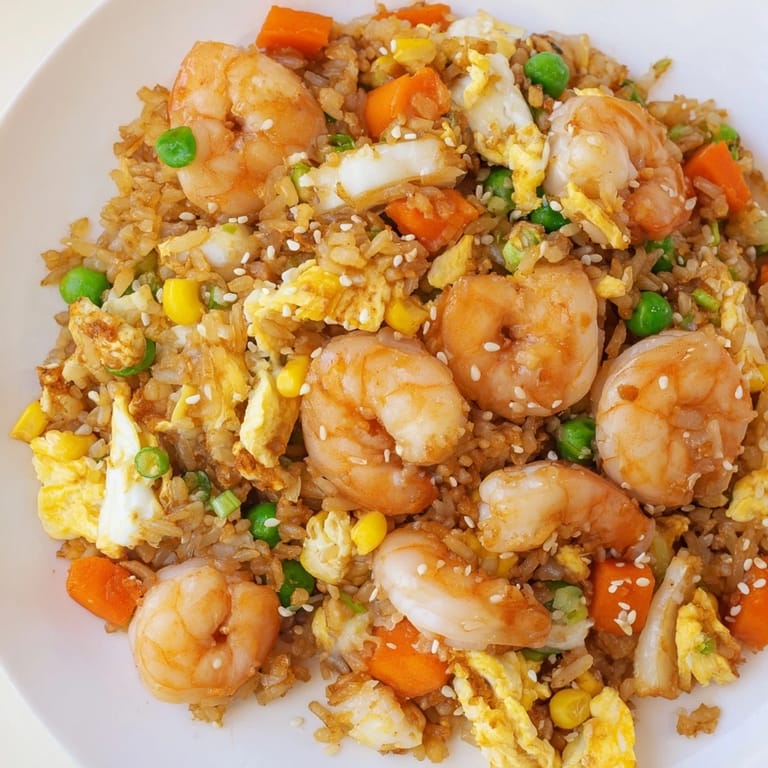
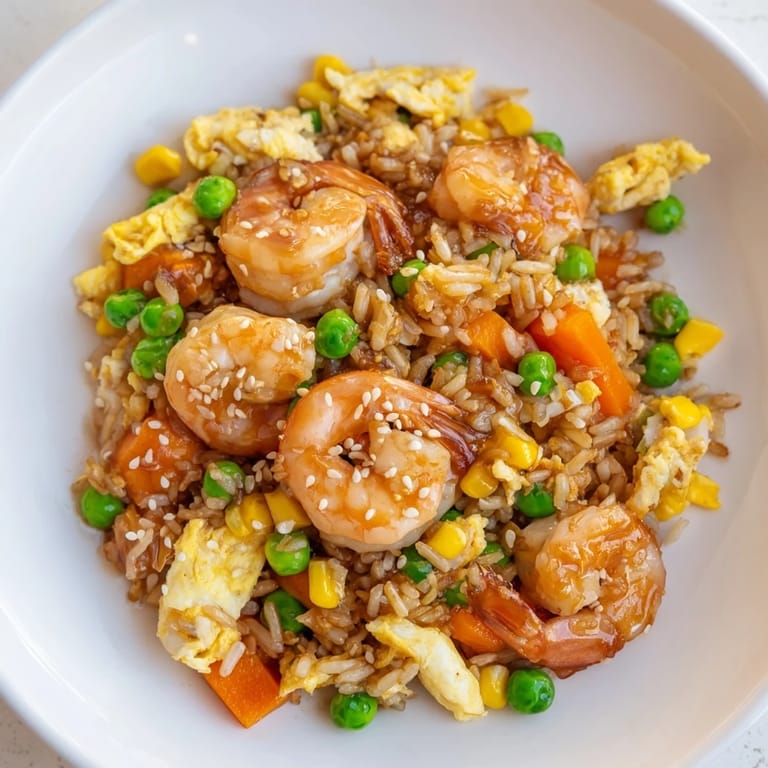
I made this for my partner one random Thursday and watched them visibly relax after the first bite, which sounds dramatic but it's true. There's something about a well-balanced fried rice that just settles you—the eggs catch the heat just enough to stay pillowy, the shrimp brings real protein and flavor, and the scallions add this fresh brightness right at the end that makes the whole thing sing.
Ingredients
- Medium shrimp (200 g / 7 oz), peeled and deveined: Frozen is absolutely fine here and honestly easier to work with; the quick cooking keeps them juicy instead of rubbery.
- Large eggs (2): Beat them lightly before the pan gets hot so they scramble evenly and add richness throughout.
- Frozen mixed vegetables (100 g / 1 cup): Peas, carrots, and corn work beautifully because they don't need thawing and cook in seconds.
- Scallions (2), sliced: Use both white and green parts; the white goes in during cooking and the green garnish at the very end.
- Cooked jasmine rice (300 g / 2 cups), chilled: This is non-negotiable—day-old rice from the fridge is genuinely better because it has less moisture and separates into individual grains.
- Soy sauce (2 tbsp): The backbone of flavor; don't skip it or dilute it.
- Oyster sauce (1 tbsp, optional): Adds a subtle umami depth that makes people ask what the secret ingredient is.
- Sesame oil (1 tsp): Use real sesame oil, not the generic stuff; a little goes a long way and it's what makes this taste restaurant-quality.
- Ground white pepper (1/2 tsp): White pepper dissolves invisibly and adds heat without black specks.
- Vegetable oil (1 tbsp): For high-heat cooking without smoke.
Tired of Takeout? 🥡
Get 10 meals you can make faster than delivery arrives. Seriously.
One email. No spam. Unsubscribe anytime.
Instructions
- Get your pan screaming hot:
- Heat the vegetable oil in a large nonstick skillet or wok over medium-high heat until it shimmers and moves easily around the pan. This is your foundation for everything that comes next.
- Cook the shrimp until just pink:
- Add the shrimp and let them sit for a moment before stirring; this builds flavor on the outside. After 2–3 minutes they'll turn pink and feel firm to the touch—don't overcook or they'll seize up.
- Scramble eggs fast:
- Pour in beaten eggs and scramble quickly, pushing them to one side of the pan as they set. They should be soft and broken into small curds, not a solid mass.
- Warm the vegetables:
- Add frozen vegetables to the empty side of the pan and stir for about 1 minute until heated through. They'll stay bright and don't need much coaxing.
- Break up and heat the rice:
- Add the cold rice and use your spatula to press and separate any clumps. Stir-fry for 2 minutes, letting the heat work through the grains until they're warm and individual.
- Bring it all together:
- Return the shrimp to the pan, add soy sauce, oyster sauce if you're using it, sesame oil, and white pepper. Toss everything constantly for a minute so the sauce coats every grain evenly.
- Finish with scallion green:
- Toss in the sliced scallion greens, stir for 1 more minute, taste, adjust seasoning if it needs a touch more salt or heat, then serve immediately while everything's hot.
 Pin It
 There was a moment when a friend who'd been skeptical about my cooking watched me pull this together and said, 'I didn't know you could make restaurant food this fast.' That feeling, knowing you can deliver something genuinely delicious without hours of prep or stress, is why this recipe stuck with me.
The Cold Rice Secret
The most important discovery I made with fried rice wasn't fancy technique—it was refrigerator logic. Warm, freshly cooked rice is still steaming and full of moisture, so when it hits the hot pan, it absorbs oil instead of frying. Cold rice has already dried out slightly and firms up, which means each grain can actually separate and crisp up. If you don't have day-old rice, spread fresh rice on a plate and let it cool to room temperature, then refrigerate for at least an hour. It changes everything.
The Timing Game
The 20-minute timeline only works if you don't pause to think. Have everything prepped before the oil hits the pan—shrimp ready, eggs beaten, vegetables measured, rice broken into chunks, sauces in a small bowl, scallions sliced. This is a high-heat, high-speed dish, and the cooking happens fast enough that scrambling to chop something mid-step will throw off your entire evening. Mise en place, as the fancy cooks say, but really it's just common sense when heat is involved.
Making It Your Own
This recipe is flexible in the exact way that fried rice should be. Swap the shrimp for diced chicken, tofu, or leftover roasted vegetables and you're still making something delicious. A dash of chili sauce or sriracha adds heat if your crowd likes spice, and honestly, a beaten egg mixed through at the end sometimes works if you forgot to scramble it earlier. The frame is solid enough to bend.
- Try adding a splash of fish sauce if you want deeper umami, but start with just a teaspoon because it's intense.
- Frozen shrimp works beautifully here because the quick cook time keeps them from getting tough.
- If you find the finished fried rice looks dry, a teaspoon of sesame oil drizzled over the top right before serving brings everything back into balance.
 Pin It
 This is the kind of recipe that earns real rotation in your kitchen because it's fast, reliable, and feels good to eat. Once you understand how it works, you'll find yourself making it on autopilot whenever you're short on time and long on hunger.
Recipe FAQs
- → What type of rice works best?
Day-old jasmine rice or any chilled long-grain rice works best to prevent clumping and achieve a fluffy texture.
- → Can I substitute the shrimp?
Yes, chicken, tofu, or even a mix of vegetables can be used instead of shrimp for varied flavors and diets.
- → How do I prevent the eggs from overcooking?
Quickly scramble the eggs over medium-high heat until just set, then push aside to avoid dry texture.
- → What sauces add the most flavor?
Soy sauce and a touch of oyster sauce provide salty depth, while sesame oil adds a toasty aroma.
- → How can I make this dish spicier?
Add a dash of chili sauce or crushed red pepper flakes during cooking for a spicy kick.