 Pin It
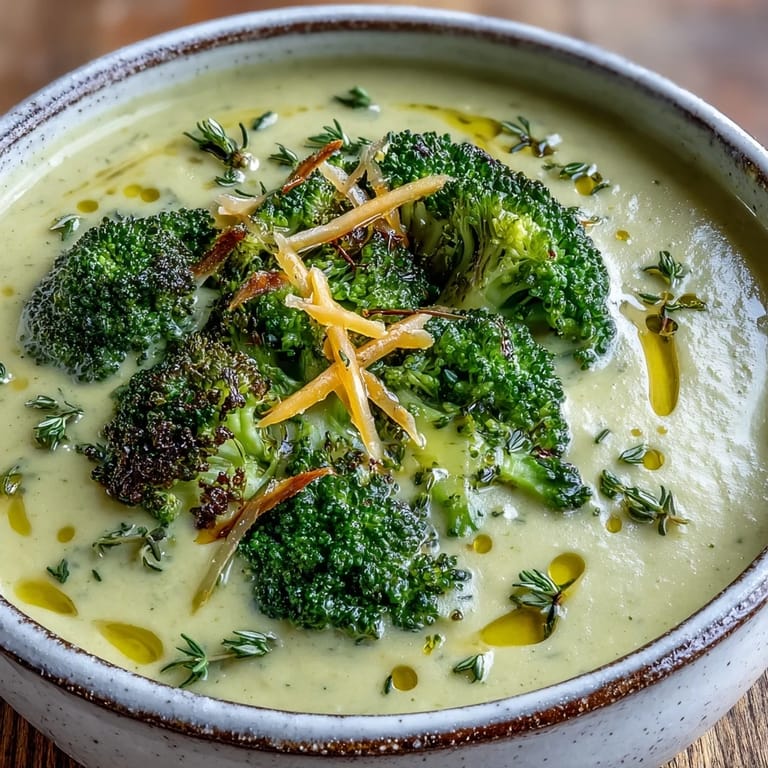
 My neighbor knocked on the door one October afternoon with a bag of broccoli so fresh it still had morning dew clinging to the florets. She'd grown too much, she said, and wouldn't take no for an answer. That's when I decided to roast it instead of boiling it into submission like I usually did, and the moment those florets turned golden in the oven, the kitchen filled with this nutty, caramelized smell that made me realize I'd been cooking broccoli wrong my whole life. I started layering in cheese and cream, and by the time my family tasted it, that bag of vegetables had transformed into something that made everyone ask for seconds.
I made this for my sister's book club night when she was desperately short on time, and she served it in those little vintage bowls with crusty bread on the side. The room went quiet for a moment, then someone asked if it was from that fancy place downtown. Watching her face light up when she said she made it herself was worth every minute of prep work, and honestly, I've made it at least once a month since then.
Ingredients
- Broccoli, 1 large head cut into florets: Roasting converts the broccoli's natural sugars into something almost sweet and nutty, which is the secret to why this soup doesn't taste like sad vegetables.
- Carrots, 2 medium peeled and diced: They soften into the broth and add natural sweetness that balances the sharp cheese.
- Yellow onion, 1 medium chopped: This is your aromatic base; don't skip the step of cooking it first or the soup tastes thin.
- Garlic, 3 cloves minced: Add it after the onions soften so it doesn't burn and turn bitter on you.
- Sharp cheddar cheese, 1½ cups freshly grated: Grate it yourself right before using—pre-shredded cheese has anti-caking agents that make the soup grainy.
- Unsalted butter, 2 tablespoons: This builds richness and helps the sauté happen evenly.
- Whole milk, 1 cup: Full-fat milk makes a difference in the final texture and mouthfeel.
- Heavy cream, ½ cup: This is what makes it feel luxurious, but you can use half-and-half if you want something lighter.
- Low-sodium vegetable broth, 4 cups: Good broth is worth buying; it's the foundation everything else builds on.
- Dried thyme, 1 teaspoon: This herb is subtle but essential for depth.
- Dried basil, ½ teaspoon: It whispers in the background rather than announcing itself.
- Ground nutmeg, ¼ teaspoon: A tiny pinch adds warmth and complexity that makes people wonder what that flavor is.
- Salt and black pepper: Taste as you go; you'll likely need more than the initial amount.
- Olive oil, 2 tablespoons total: Use it to coat the broccoli for roasting and to start your base vegetables.
Tired of Takeout? 🥡
Get 10 meals you can make faster than delivery arrives. Seriously.
One email. No spam. Unsubscribe anytime.
Instructions
- Heat your oven and prepare the broccoli:
- Set the oven to 425°F and while it preheats, toss your broccoli florets with about 1 tablespoon of olive oil, a pinch of salt, and a grind of pepper. Spread them on a baking sheet in a single layer, leaving space between them so they roast instead of steam.
- Roast the broccoli until golden:
- Put the sheet in the oven for 20 to 25 minutes, stirring halfway through. You're looking for the edges to turn deep golden brown and the florets to be tender when you poke them. The kitchen will smell incredible at this point.
- Build the base while broccoli roasts:
- In a large pot, heat the remaining tablespoon of olive oil and the butter over medium heat. Once it's foaming, add your diced carrots and chopped onion, cooking them for 5 to 6 minutes until they're soft and the onion turns translucent.
- Add the garlic:
- Stir in your minced garlic and let it cook for just about 1 minute until you catch that sweet, toasted smell. Be careful not to let it sit longer or it'll start tasting sharp instead of sweet.
- Combine and season:
- Add the roasted broccoli to the pot (save a few pretty florets for garnish if you want), then stir in the thyme, basil, and nutmeg. The spices release into the hot vegetables and fill the pot with warmth.
- Add the broth and simmer:
- Pour in the vegetable broth and bring everything to a boil, then lower the heat and let it bubble gently for about 10 minutes. This gives all the flavors time to get to know each other.
- Blend until smooth:
- Use an immersion blender right in the pot, moving it around to catch all the vegetables, or carefully transfer the soup in batches to a blender if that's what you have. Blend until it's completely smooth with no chunky bits remaining.
- Finish with cream and cheese:
- Stir in the milk and heavy cream, then add the cheddar in handfuls, stirring after each addition so it melts evenly. The soup will turn this beautiful golden color and become silky.
- Taste and adjust:
- Add more salt and pepper to taste. Taste matters here because everyone's broth is different and you want it to taste like your broccoli and cheese, not the seasoning.
- Serve warm with optional garnish:
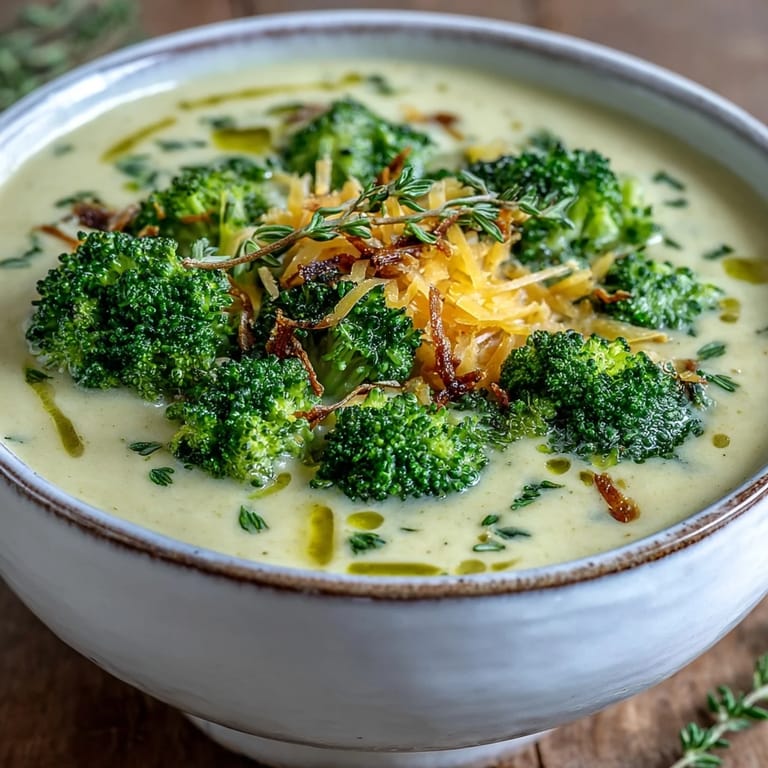
- Ladle the soup into bowls and top with those reserved broccoli florets or a scatter of extra cheddar if you're feeling generous.
 Pin It
 One night my daughter came home exhausted from a rough day at school, and I had this soup simmering when she walked through the door. She didn't say much at first, just wrapped her hands around the bowl, breathed in the steam, and something in her shoulders relaxed. Food isn't always about being impressive; sometimes it's just about showing up with something warm that says, I see you, I'm here.
Why Roasting Changes Everything
The difference between roasted broccoli and steamed broccoli in soup is the difference between a memory and a photograph. When you roast broccoli at high heat, the moisture evaporates and the natural sugars caramelize, creating this nutty, almost sweet flavor that nobody expects from broccoli. Steaming keeps it bright green and virtuous-tasting, but roasting makes it taste like someone actually wanted you to enjoy it. That caramelization is what makes people who think they hate broccoli ask for the recipe.
The Cheese Matters More Than You Think
Sharp cheddar is non-negotiable here because mild cheddar will disappear into the soup and leave you with something that tastes like it could be any cheese. Sharp cheddar has personality—it has tang and depth that stands up to the cream and the broth instead of getting bullied by them. I learned this the hard way when I tried using what I had in the fridge, and the soup tasted flat no matter how much I seasoned it. Now I always buy a good quality sharp cheddar and grate it fresh because that extra step is what separates this from a thousand other soup recipes.
Making It Your Own
This soup is forgiving enough to play with once you understand the basics. Some people add a pinch of cayenne for heat, others stir in crispy bacon or a handful of spinach right at the end. I once added roasted red peppers and it shifted the whole flavor profile in a way that surprised me, in the best way. The base is strong enough to support experimentation, which means you can make this fifty times and never get bored.
- A tiny pinch of cayenne pepper adds warmth without heat if you want something with more edge.
- Roasted red peppers or sun-dried tomatoes stirred in at the end add complexity and color.
- If you want to make it stretcher further, add more broth and a bit less cream, but taste as you go.
 Pin It
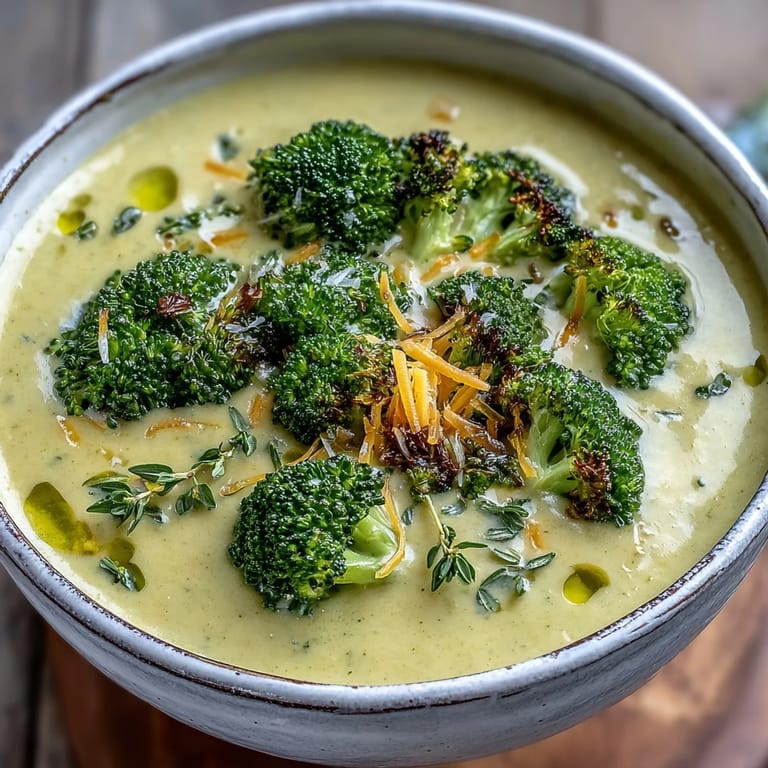
 This soup has become the recipe I make when I need comfort or when someone else does, and that's really all you need to know about why it deserves a spot in your regular rotation. Once you taste how good roasted broccoli can be, you'll understand why this bowl of soup feels like home.
Recipe FAQs
- → Can I make this soup ahead of time?
Absolutely. Prepare the soup up to 2 days in advance and refrigerate. Reheat gently over medium-low heat, stirring occasionally. The flavors often deepen overnight, making it even more delicious.
- → Can I freeze this soup?
Yes, though dairy-based soups can separate slightly when frozen. For best results, cool completely before freezing in airtight containers for up to 3 months. Thaw overnight in the refrigerator and reheat slowly, whisking to restore creaminess.
- → What can I substitute for heavy cream?
Half-and-half, coconut milk, or additional whole milk work well. The soup will be slightly less rich but still satisfying. For a dairy-free version, use full-fat coconut milk and vegan cheddar.
- → Do I have to roast the broccoli first?
Roasting isn't mandatory, but it adds wonderful depth. If short on time, simmer raw broccoli with the vegetables for 15-20 minutes until tender before blending. The flavor will be milder but still delicious.
- → How do I get the smoothest texture?
An immersion blender works wonderfully for convenience. For an ultra-silky result, use a high-speed blender in small batches, venting carefully to release steam. Strain through a fine-mesh sieve if you desire restaurant-level smoothness.